LightBlog

jeudi 13 octobre 2022

These are the best smartphones to buy in 2022!

This has been a great year for smartphones so far — conventional slab phones are all extremely polished, and foldables are coming into their own. So if you’re looking to upgrade your phone, now is as good a time as any. We here at XDA test almost every smartphone on earth, so here’s our expert guide on the best smartphones — covering both the best Android and best iPhone — depending on your budget or need!

Navigate this article:

Best Overall Smartphone: Apple iPhone 14 Pro

Apple iPhone 14 Pro in front of plants


Picking the iPhone 14 Pro in this spot was a very tough decision because there are a lot of worthy challengers. And honestly, for me specifically, I’d rather use the bigger iPhone 14 Pro Max or the Xiaomi 12S Ultra over the iPhone 14 Pro, but this list must be written with the general public in mind, and for most people, the iPhone 14 Pro is the best combination of performance, value, and availability.

I personally like the Pro Max model this year because it has epic battery life, and the Dynamic Island cutout takes out less screen space on the larger model. I also think the Xiaomi 12S Ultra’s 1-inch sensor still captures more organic photos. But the Pro Max may be a tad too big for those with smaller hands, and Xiaomi’s phone only sells in China. So for most readers as general advice, the iPhone 14 Pro takes the crown as the best phone they should be buying if they do not have any specific preferences and just want a really solid all-rounder device.

There’s a lot to like here, starting with the removal of the notch in favor of a pill-shaped cutout. Apple has designed a new UI — the aforementioned Dynamic Island — that gives off the illusion that the cutout can change shape and size depending on what you’re doing with the phone. Play music, for example, and you will see the album cover art and a music wave bar next to the cutout. Navigate on Apple Maps, and you’ll see an arrow on the island directing you to where you should be heading. Not everyone is going to love this new UI but many of us think it’s clever and potentially improves how we access the myriad of information on our phones.

Next, Apple also improved the camera performance this year, giving the iPhone 14 Pro and Pro Max a new 48MP camera that is used to shoot pixel-binned 12MP photos. The image sensor has also increased in size for the main and ultra-wide camera, so the iPhone 14 Pro and Pro Max won’t have to resort to night mode as often. Video stabilization also got a huge improvement with “Action Mode,” which is a form of EIS that works wonders. While it’s debatable where the new iPhone ranks in the still photography department, it is absolutely the video recording champion.

There’s also the new Apple A16 Bionic, which is by far the most powerful silicon in mobile, and it is very energy efficient. I already said the iPhone 14 Pro Max has epic battery life, but the iPhone 14 Pro is no slouch either, able to finish a full 12- to 13-hour day of heavy use with some juice to spare. This is despite the fact the iPhone 14 Pro has a new Always-On Display that’s quite literally always on.

All of these parameters come together to make the iPhone 14 Pro an ideal candidate for the best phone you can buy. Of course, if you’re an Android fan, we’d recommend you take a look at our best Android smartphone list. But if you’re a general consumer looking for a phone that will work excellently, last you for years, keep its resale value, and have a strong hardware and software ecosystem around it, then look no further than the iPhone 14 Pro.

    Apple iPhone 14 Pro
    The iPhone 14 Pro is the best all around smartphone for most people due to its performance, price, availability, and resale value down the line.

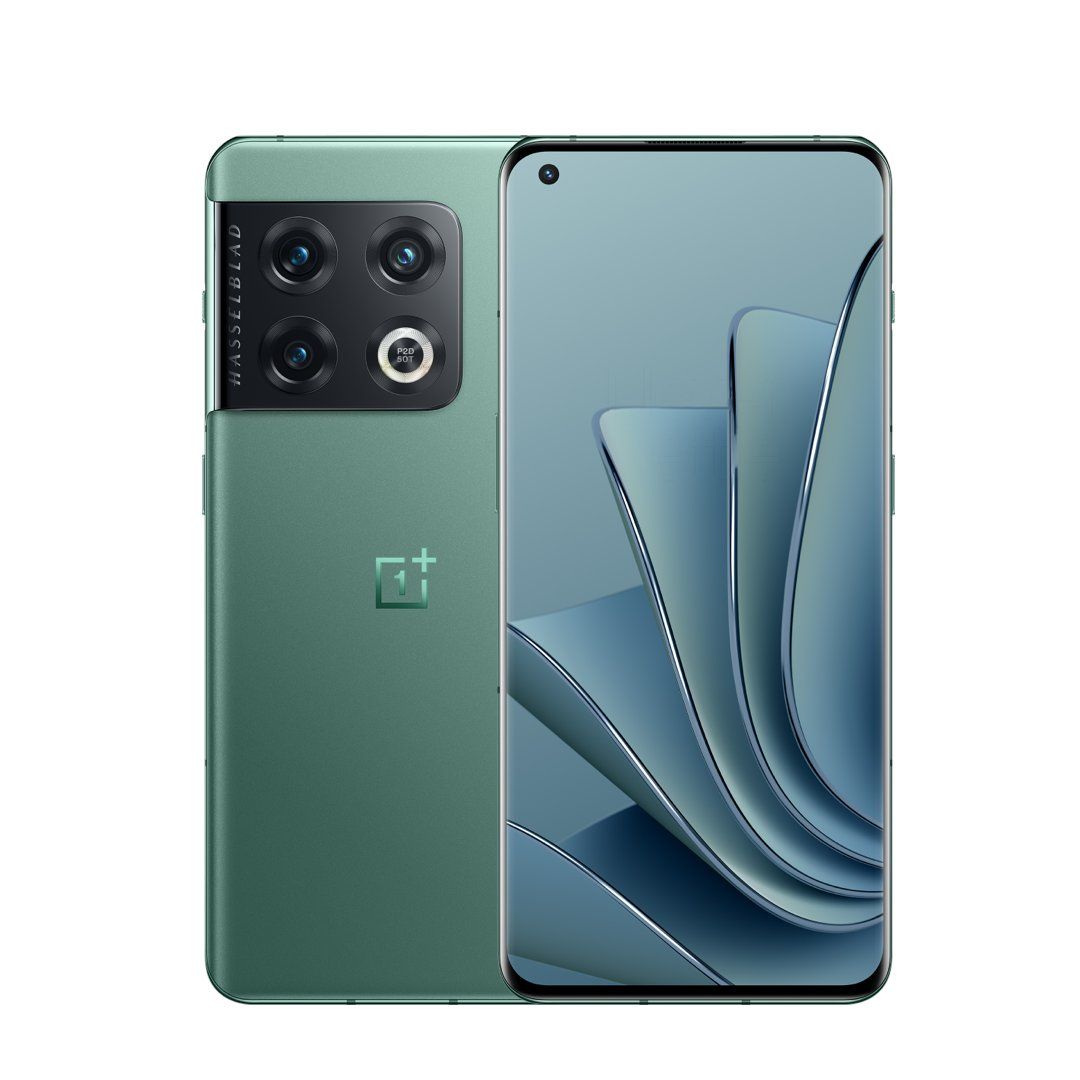
Best Affordable Premium Smartphone: OnePlus 10 Pro

Black OnePlus 10 Pro on white surface with blurred background

This category is different from the above “best overall” category in that this is no longer looking at it from an average consumer perspective. This category is instead for people who follow the smartphone market closely and want a phone that offers the best combination of specs, features, and value. And yes, some will surely take issue with us calling an $899 phone “affordable,” but do keep in mind this section is for an affordable premium phone, meaning it’s for someone who wants a high-end flagship phone without going too crazy, and $899 in this category is on the lower end.

Anyway, the $899 OnePlus 10 Pro is our choice in this spot. It’s got a brilliant 120Hz LTPO 2.0 OLED display that’s almost as good as the Galaxy S22 Ultra’s (it falls short in peak brightness by a hair), premium build quality, excellent haptics, and a really strong main and ultra-wide camera. In fact, the only area in which the Galaxy S22 Ultra clearly beats the OnePlus 9 Pro is in zooming prowess. But then the OnePlus 10 Pro charges much faster and costs almost $300 less.

As a standalone device, without comparing it to other phones, the OnePlus 10 Pro offers a great package. OnePlus has built its reputation over the years as a brand that focuses on being “fast” and that theme continues with the 10 Pro. The Snapdragon 8 Gen 1 is one of the best smartphone SoCs on the Android side of things so its performance is top-notch. While OxygenOS has lost a bit of its own identity in the past year — it now shares a lot of DNA with OPPO’s ColorOS, it is still one of the smoothest and fastest UI around.

Apart from performance, another thing that’s really fast on the OnePlus 10 Pro is charging the battery. In the US, the OnePlus 10 Pro gets a 65W charging brick in the box (while internationally, the phone gets an 80W brick — this difference is due to regional voltage issues, but rest assured, the charging times are negligible between the two.) From our testing, the phone’s 5,000 mAh battery can charge from 0-100% in 34 minutes.
    OnePlus 10 Pro
    The OnePlus 10 Pro, at $899, is one of the more affordable phones with a top notch 120Hz LTPO OLED screen, Snapdragon 8 Gen 1, and a fully featured camera system.

Best Large Foldable Smartphone: Samsung Galaxy Z Fold 4

z fold 4

Last year’s Galaxy Z Fold 3 corrected a lot of initial concerns about foldable phones — Samsung managed to add water resistance while shedding weight and lowering the price. This year, the Galaxy Z Fold 4 makes mostly iterative changes, and while each change is relatively small, together they make up more than the sum of their parts and further polish an already very refined foldable.

This year, Samsung shrunk the hinge protrusion a bit, so that the Fold 4 is a bit more comfortable to hold in folded form. What’s more, Samsung gave those precious few millimeters saved to the screen, so the Fold 4 has a slightly wider screen than the Fold 3. Samsung also further shed weight to 263g, making for the second lightest large screen foldable around behind the Xiaomi Mix Fold 2.

The cameras also got some much-needed improvements — Samsung upgraded the Fold 4’s main sensor to a 50MP, 1/1.55-inch sensor which drastically increases light intake. Compared to the Fold 3, the Fold 4 brings a quite noticeable improvement in main and zoom camera photography. The 3X zooms lens here, in particular, is a huge jump over the 2X lens from last year.

Samsung also refined the software to allow the Fold 4 to jump into multi-tasking mode a bit easier. Previously, it took three taps to go into the split-screen mode, now you can do so with one tap in some instances. The Fold 4, just like previous Folds, offers superior multi-tasking due to the larger screen. Whether it’s reading a press release in Gmail while taking notes in Google Docs, or running Twitter side-by-side with WhatsApp, the Fold 4’s larger screen and improved software just make the experience feel more seamless. No matter how you refer to it, it’s essentially a pocket PC that you can carry around with you to get some serious work done or enjoy consuming media like no other phone can.

All of this is handled by the Snapdragon 8 Plus Gen 1 SoC which means everything you do on the phone is fast and snappy, no matter how many apps you run. The S Pen support introduced last year is also back, so artists or notetakers can take full advantage of that larger canvas.

The internal display is a 120Hz OLED panel with an under-display front camera (UDC), giving the screen an immersive look. If you game a lot on your phone or even read a lot of e-books, you can’t find a better phone than this thanks to that huge display. This year, Samsung also upgraded the outer cover display to a 120Hz panel to make things more uniform. The phone is also now IPX8 water-resistant making it one of the most durable foldables out there.

With a Snapdragon 8 Plus Gen 1, excellent speakers, and that large 7.6-inch screen, the Z Fold 4 is excellent for gaming or movie-watching. While the cameras aren’t the best around, they’re still quite good and enough for most.

    Samsung Galaxy Z Fold 4
    The Samsung Galaxy Z Fold 4 is Samsung taking the most polished large foldable and making it even better, with a less intrusive hinge, a new processor, and much better cameras.

Best Small Foldable Phone: Samsung Galaxy Z Flip 4

Galaxy Z Flip 4 with screen partially folded and camera open

The Galaxy Z Flip 3 was one of the most stylish-looking smartphones to come out in recent years, and the Galaxy Z Flip 4 wisely brings back the exact same look — but with more color customization options. We adore the two-tone finish and the petite size when folded up. But don’t mistake small size for lack of power — this thing is, along with the Fold 4, the most durable foldable phone ever, with IPX8 water resistance and “Armor Aluminum” build material.

The Flip 4 is an awesome device for those who find modern Android phones too large and hard to pocket. Unfolded, the 6.7-inch, 1080 x 2640 display looks and behaves like any other top Samsung screen, with vibrant colors, top-notch sharpness, and a fast refresh rate up to 120Hz for buttery smooth animations.

New to the Flip 4 is the Qualcomm Snapdragon 8 Plus Gen 1 processor, which has a stronger GPU and superior battery efficiency. The latter is important, as battery life has always been a slight weakness in previous Flips. While the Flip 4 isn’t going to win any battery endurance awards, it is now possible to get all-day use provided you’re not pushing it too heavily.

Galaxy Z Flip 4 with AOD on

Samsung also improved the software for the outer “Cover Display,” allowing users to open any app on the smaller 1.9-inch display. Sure, some apps will look silly in the cramped space, but other apps will benefit from it. You can, for example, scroll through your Spotify playlist directly from the outside screen.

While the pair of 12MP cameras here aren’t amazing hardware-wise, Samsung’s computational photography is very smart, so it will help compensate for the older hardware with AI trickery to produce shots that are usually vibrant and well-detailed. Of course, with Flex Mode, the Flip 4 can shoot in a lot of creative ways too. Overall, the Flip 4 is an iterative refinement to already an excellent small foldable.

    Samsung Galaxy Z Flip 4
    The Galaxy Z Flip 4 is the ideal phone for those who want something more pocketable -- and more stylish.

Best Smartphone Camera: Google Pixel 7 Pro

With a capable 50MP main camera with a relatively large image sensor, a 5x Periscope zoom lens that can use in-sensor cropping to churn out an almost 10x optical zoom, and a sweeping ultra-wide camera, the Google Pixel 7 Pro has a very capable camera system. But what makes it arguably the best is the brain behind it all — the Google Tensor G2. Google’s second-gen silicon leverages Google’s all-powerful machine-learning prowess to examine the image data captured by the lenses, and then produce images with awesome dynamic range, details, and clarity.

Google’s machine learning also enables several smart photography tricks such as Action Pan and Night Sight, the former creates motion blur effects around subjects who may be barely moving, and the latter pulls in light miraculously in dark scenes.

Video capabilities had previously been a weakness in Pixels, but the Pixel 7 Pro also improves on this, with stable footage with excellent colors and balance. You can even apply an artificial blur that makes the footage look more cinematic.

Elsewhere, the Pixel 7 Pro is a very good phone too, with a unique design, a great 120Hz OLED screen, and fast, zippy performance. The software situation is the best in Android too, obviously, because this is the Android phone from Google. Everything that is coming to the platform as a whole will arrive on the Pixels first.

    Google Pixel 7 Pro
    The Google Pixel 7 Pro is the best point and shoot camera for most people because it almost always gets the shot right.

Also great smartphone camera: Galaxy S22 Ultra

s22 ultra

While we think the Vivo X80 Pro’s main and ultra-wide camera reaches higher heights than anyone this year, and that the Pixel 7 Pro’s main camera is stellar, if you want the most complete and versatile camera system, then that would be the Galaxy S22 Ultra, because it packs four cameras covering the ultra-wide, wide, 3x zoom and 10x zoom focal range — the latter is the best zoom lens in smartphones by some distance, with no other phone save for the very hard to buy (and Google-less) Huawei P40 Pro Plus that can even claim to have such a focal range.

The main and ultra-wide cameras of the Galaxy S22 Ultra are no slouch either — the main lens is a 108MP shooter that uses nano-binning technology to produce a super bright image (but perhaps too bright, as it’s the same over-exposure issue that has us ranking it a hair below the Vivo X80 Pro’s main camera), and the ultra-wide camera is excellent during the day, with a sweeping 120-degree field-of-view.

The rest of the phone is absolutely premium, with a 6.8-inch Super AMOLED display with the maximum peak brightness of any phone screen this year, a Snapdragon 8 Gen 1 SoC, and a large 5,000 mAh battery. There’s also the S-Pen stylus, which has migrated over to the Galaxy S series since the Note line has been retired.

Samsung’s OneUI software is also among one of the most polished in the Android space, with a good multi-tasking system and extra features such as Samsung DeX. While we ultimately gave the “best overall” title to the iPhone 14 Pro, if you have decided iOS isn’t for you, then the Galaxy S22 Ultra is the pick for the best overall phone on this list.

    Samsung Galaxy S22 Ultra
    The Galaxy S22 Ultra is by default the king of Android phones right now, with the widest global availability and the most complete camera system.

Best Big Phone: Apple iPhone 14 Pro Max

A fullscreen video playing on the new Apple iPhone 14 Pro.

If you want an unapologetically big phone, then the iPhone 14 Pro Max, with a 6.7-inch screen in a boxy design, is the phone you should be looking at. The iPhone 13 Pro Max was already a very big phone, and the new 14 Pro Max one-ups it by adding a bit more thickness (from 7.7mm to 7.9mm). In return, you get even better battery life over the previous model — which makes the iPhone 14 Pro easily the battery endurance champion of any smartphone right now.

The iPhone 14 Pro Max ditches the notch in favor of the “Dynamic Island,” which has been a bit divisive, but we here at XDA see it as a new and creative way to interact with all the information we get daily on our smartphones.

The camera performance has improved thanks to a new 48MP main camera that shoots pixel-binned 12MP photos, and slightly larger image sensors for the ultra-wide camera too. This means the iPhone 14 Pro Max can take in a lot of light in dark scenes. In fact, sometimes the photos may be too bright — but you can dial this down in settings. The iPhone 14 Pro Max brings back the awesome video capabilities with even better stabilization thanks to a new EIS mode Apple has dubbed “Action Mode.”

Then there’s the A16 Bionic, which is still the best SoC in the mobile industry today. For doing intensive tasks on your phone like gaming, or editing and rendering videos, the iPhone 14 Pro Max would be a perfect choice. Apart from raw performance, Apple’s hardware and software integration are unmatched in the mobile space, which means you’re getting the best hardware and software synergy in the mobile industry.

    Apple iPhone 14 Pro Max
    The iPhone 14 Pro Max is the biggest and best possible phone to come out of Cupertino

Best Small Phone: Apple iPhone 13 Mini

The iPhone 13 Mini

There was no iPhone 14 Mini this year, so if you love small phones, the iPhone 13 Mini is the phone for you. This thing isn’t just small — it’s tiny. It’s a phone that most people will be able to use with one hand with ease. Despite its small size, it’s still among one of the most powerful phones around, thanks to that Apple A15 Bionic chip and well-optimized iOS. Apple even improved on the below-par battery life of the iPhone 12 Mini for this year’s update.

The iPhone 13 Mini was a dream come true for small phone enthusiasts. Apple finally made a flagship phone with powerful, top-of-the-line internals that fit into a compact form factor that could easily fit into your denim pockets. Small phones were a thing of the past until apple resurrected the category with the iPhone 12 Mini. However, the small form factor brought along with it a big drawback — average battery life.

There’s a limit to the size of a battery you can put inside a small phone like the 12 Mini and that limit meant that the phone had sub-par battery life. The iPhone 13 Mini fixes this very problem and finally presents a strong case for a small phone to be used like any other phone in 2022. Battery life is the single biggest upgrade that the iPhone 13 Mini brings and that alone is a big win according to us. We now have a compact phone that doesn’t need to be around a charge by afternoon.

While the capacity of the battery has increased, what’s responsible for the increment in battery life is mainly the A15 Bionic chip from Apple. It’s more power-efficient than last year’s A14 Bionic while being one of the most powerful chipsets around. The iPhone 13 Mini is also a performance beast and can play the most graphic-intensive games with ease. You can also shoot and edit 4K 60fps videos directly from the phone along with the option to record videos in the new Cinematic Mode. The display, while still being stuck at 60Hz, now has a smaller notch and is slightly brighter than its predecessor.

To summarize, you get a pair of 12MP rear-facing cameras that, while not the most versatile system around, can capture awesome still photos and best-in-class videos. Starting at $799, this is also one of the cheaper iPhones around. If you love small phones, this one’s a no-brainer.

    Apple iPhone 13 Mini
    The iPhone 13 Mini is the phone to get if you want a small phone that you can easily use with one hand.

Second-Best Small Smartphone: Asus Zenfone 9

Zenfone 9 cameras

The Asus Zenfone 9 is a small but mighty phone — and the clear choice to get if you want a small phone that runs Android. With a 5.9-inch OLED screen, measuring 146.5 x 68.1 x 9.1 mm and weighing just 165g, the Zenfone 9 is a very easy phone to use and hold with one hand. Many of us at XDA actually think the Zenfone 9’s 5.9-inch screen is the perfect “small” size, as the iPhone 13 Mini’s 5.4-inch panel is just a bit too cramped for most modern content.

Asus didn’t just make the phone small and called it a day. Asus also gave it some unique features, such as a gimbal stabilization system supporting the main 50MP camera. This allows the phone to shoot smoother pan videos. Then there’s the right side of the phone, which houses a side-mounted fingerprint scanner/power button, volume rockers, and a touch-sensitive panel that allows the user to quickly launch apps or actions.

Under the hood is a Qualcomm Snapdragon 8 Plus Gen 1, whose energy efficiency allows the 4,300 mAh battery to power the phone all day for all but the heaviest users. All the other smartphone bits are great too — that aforementioned display is a 120Hz panel, and the ultra-wide camera produces punchy sweeping landscape shots. Heck, there’s even a headphone jack.

Asus’s software is easy to use for beginners, but also very rewarding for power users because it’s full of shortcut gestures in the form of taps, swipes, or interacting with that touch-sensitive side panel. We are also fans of how the phone looks overall, with a polycarbonate back plate that offers a sandstone-like, grippy texture, and large symmetrical camera rings.

    Asus Zenfone 9
    The Asus Zenfone 9 is easily the best small Android phone around. But even if you don't factor in the size, it's still a very capable smartphone overall.

Best Affordable Flagship Smartphone: Google Pixel 7

The Google Pixel 7 Pro is the better phone, but the Pixel 7 is the better option for most people. Both phones basically share most of the same hardware, with the Pro only gaining a higher refresh rate and a zoom lens. For most people, those two features aren’t enough to justify the $250 price difference. At $599, the Pixel 7 is an excellent value — a flagship phone that can hang with the big boys in many areas, but at almost half the price.

The Pixel 7 continues the Pixel 6’s evolution, with the second generation Tensor G2 chip custom-designed by Google that takes the phone’s machine learning capabilities to another level. The display, while “just” 90Hz, is still a looker, with FHD+ resolution and accurate color output. It’s also slightly smaller than the Pixel 6 at 6.3-inches, making for a comfortable one-hand phone. The dual-camera system here features the same hardware as the Pro’s — a 50MP primary sensor and a 12MP ultra-wide. And they’re both great.

The 4,335 mAh battery is relatively small — it is actually smaller than the Pixel 6’s battery — but battery life is still good thanks to the Tensor G2’s efficiency. The software on the Pixel 7 is also one of its biggest highlights. The phone comes with Android 13 out of the box and given that it’s a Pixel, you can truly enjoy Android 13 the way it’s meant to be. There are lots of AI features that Google introduced including Live Translate, Magic Eraser, Face Unblur, etc. Google also promises 3 years of Android version upgrades and 5 years of security patches for the Pixel 7. This makes the phone future-proof and you can use it for an extended period.

If you’re looking for a phone that excels especially in the camera department, and one that has clean and up-to-date software, you cannot go wrong with the Pixel 7.

    Google Pixel 7
    The Pixel 7 packs the second-gen Tensor SoC, a brighter display, and improved cameras.

Best Gaming Phone: Asus ROG Phone 6 Pro

ROG Phone 6 Pro

If you do lots of mobile gaming and want a device that can keep up, then look no further than the Asus ROG Phone 6 Pro. Between the blazingly fast and buttery smooth 165Hz OLED display that’s completely uninterrupted, Qualcomm Snapdragon 8 Plus Gen 1 SoC, large 6,000 mAh battery, dual front-facing stereo speakers, and up to a whopping 18GB of RAM, there isn’t a smartphone out there more equipped to handle mobile gaming.

Of course, because this is a gaming phone, the ROG Phone 6 Pro also has “AirTriggers,” which are functional capacitive touch panels on the right side of the phone that serve as shoulder triggers when the phone is held sideways — when you’re gaming.  There’s also a rear display, named “ROG Vision,” and while it doesn’t so much — it does allow you to show off the phone by giving it more flair.

From our testing, the ROG Phone 6 is a beast of a performer, able to run games at 60fps with few drops. All the benchmarks are chart-topping too. On the camera front, you have the main system consisting of a 50MP IMX766 main sensor, 13MP ultrawide (f/2.4) and 2MP macro setup, and a 12MP selfie camera. Photos captured by this phone are sharp, punchy, and overall good, but video recording isn’t the greatest, as footage suffered from poor stabilization and dealing with sudden shifts in lighting.

As a gaming phone, the cameras are naturally not the star of the show — but the optics here can be considered solid. Asus packed the Sony IMX766 50MP sensor as a primary shooter, a 13MP ultra-wide, and a 5MP macro camera. There’s no dedicated telephoto option here, but Asus uses the 50MP sensor to shoot at 2x lossless in bright light situations. When it’s dark, it turns to digital zoom. These cameras won’t win any awards, but they’re more than good enough for most people.

    Asus ROG Phone 6
    The Asus ROG Phone 6 is an absolute beast of a phone, with a 165Hz screen, 6,000 mAh battery, 18GB of RAM, and the newest and most powerful chip in Android. What more do you need for gaming?

Best Budget Smartphone: OnePlus Nord N20

Angled view of OnePlus phone on a tree

Retailing for around $300 ($282 if you go with T-Mobile), it’s hard to find a phone at this price point stateside that’s more capable than the OnePlus Nord N20. For a quarter of the price of an iPhone 13 Pro Max or Galaxy S22 Ultra, you’re getting a 5G-ready handset, a solid main camera, and a pretty design.

While the 6.4-inch screen is only 60Hz, it is an OLED panel so you’re getting some punchy, vibrant colors. That 60Hz panel also helps the 4,500 mAh battery last all day, and if you do need a top-up, there’s a 33W fast charging brick included with the package. There’s also a headphone jack, and 5G support too.

The main 64MP camera is fine in good lighting conditions, but don’t be fooled by the large second camera lens (and the smaller third lens): those are just 2MP sensors that don’t do much of anything. At this price point in the US though, one good rear-facing camera is acceptable.

Otherwise, the usual OnePlus zippy software can be found here, and while OxygenOS has lost some of its character, it’s still clean and minimum software compared to many other Android brands.

    OnePlus Nord N20
    The OnePlus Nord N20 is an affordable Android for the US market that brings a clean design and solid performance.

One thing to note, even the very definition of “budget” differs from person to person, and a singular choice may not be able to properly appreciate the nuances of all individuals. If you’re looking for more options, here are some other great cheap Android phones for you to consider.

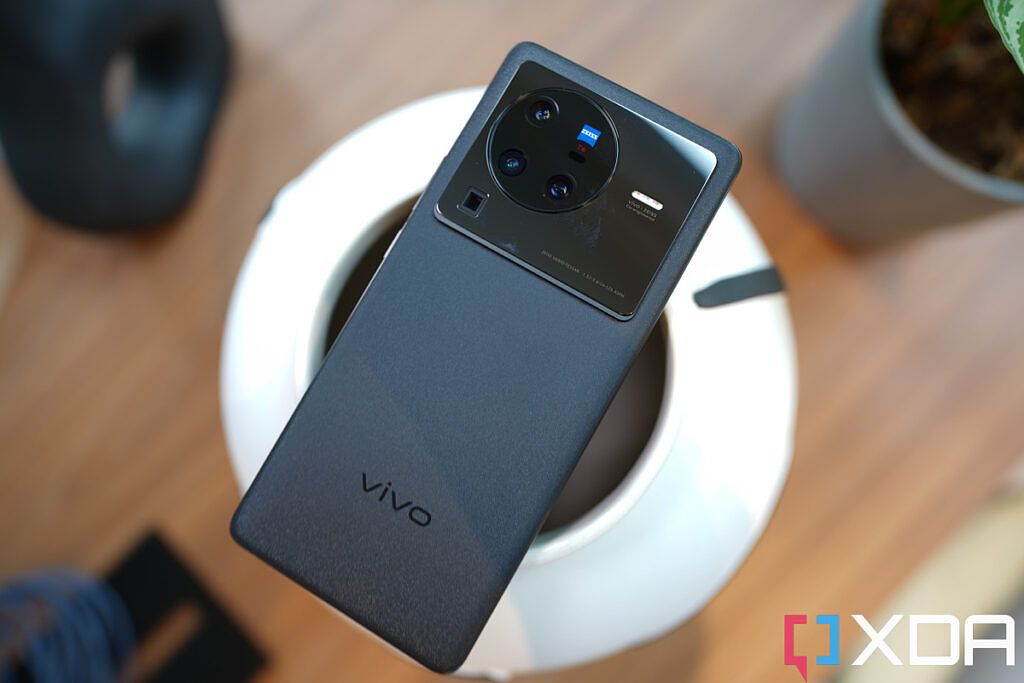
Best Smartphone not sold in the US: Vivo X80 Pro
Vivo X80 Pro

There are lots of phones that can make this list, but considering we named the Vivo X80 Pro the best camera phone of 2022 so far, it’d be hard to not also slot it here in the “best phone not sold in the US” category. As mentioned, the Vivo X80 Pro is a polished tip-top Android flagship that can absolutely compete against Samsung or Apple’s best offerings in display brilliance, processing power, UI fluidity, and camera performance.

The latter, as we already mentioned, is in our opinion the best in mobile right now — just point and shoot with the Vivo X80 Pro anywhere and expect a vibrant, punchy shot with excellent contrast and details. If you live in the US and are open to importing, this is the one to consider.

    Vivo X80 Pro
    The Vivo X80 Pro has our vote for the best main cameras of any smartphone right now, and the rest of the package is pretty good too.

There are a lot of good phones to choose from right now, and we hope this guide helped. We think the iPhone 14 Pro is the best all-around option for most, but the Galaxy S22 Ultra, OnePlus 10 Pro and Google Pixel 7 are also very good alternatives. We will update this list regularly so be sure to check back often — or the next time you’re on the market for a new phone.

The post These are the best smartphones to buy in 2022! appeared first on XDA.


from XDA https://ift.tt/qNAlWPR
via IFTTT

Android 13 “Tiramisu”: Everything you need to know about Google’s big update for 2022

The most exciting thing about a big Android update is being able to follow a predictable pattern of releases to get a taste of all the new features. Google’s Android 12 update marked the biggest visual redesign of the operating system since Android 5 Lollipop thanks to Material You. The new design philosophy along with an exhaustive list of new features makes Android 12 look and feel radically different from previous iterations.

Android 13 remains largely similar to the previous release in terms of overall aesthetics, but there is a ton of new stuff under the hood. It’s been in beta for a very long time, with each new release adding features and smaller improvements to different elements of the Android system. Android 13 has officially gone gold, and it’s now available for all the supported Pixel devices and some other non-Pixel phones. If you want all the Android 13 info in one place then you’ve come to the right page. Here’s everything you need to know about Android 13!

Navigate this article:


What’s Android 13 called?

Android 13 tiramisu

Google ditched its dessert naming scheme for Android two years ago with Android 10’s brand redesign. The use of dessert names, however, has continued for the company’s development teams internally. Android 11, for instance, was internally called “Red Velvet” while Android 12 is internally known as “Snow Cone”. Similarly, Android 13 is called Tiramisu. Google is no longer keeping it a secret as it was found in one of the commits on the AOSP Gerrit back in July last year.

For those of you who are curious, these have been the dessert name (internal or public) of all the Android versions so far:

  • Android 1.5: Cupcake
  • Android 1.6: Donut
  • Android 2.0: Eclair
  • Android 2.2: Froyo
  • Android 2.3: Gingerbread
  • Android 3.0: Honeycomb
  • Android 4.0: Ice Cream Sandwich
  • Android 4.1: Jelly Bean
  • Android 4.4: KitKat
  • Android 5.0: Lollipop
  • Android 6.0: Marshmallow
  • Android 7.0: Nougat
  • Android 8.0: Oreo
  • Android 9: Pie
  • Android 10: Quince Tart
  • Android 11: Red Velvet Cake
  • Android 12: Snow Cone
  • Android 13: Tiramisu

For what it’s worth, we already know what Android 14 “U” might be called. Some of the first commits relating to Android 14 that popped up on the Android Gerrit have revealed the codename “Upside Down Cake” for the next version of Android.


Android 13 release date

Google released the stable Android 13 update to the public on August 15, 2022. The update was made available to the company’s Pixel phones alongside the source code. Google’s Developer Preview program for Android 13 started in February 2022 and a lot has changed since then, leading up to the final release in August 2022. Here’s a quick look at the original roadmap Google released for Android 13 beta program:

As expected, Android 13 hit the “platform stability” in June 2022, following two Developer Previews and two full Beta releases. The company then released the Android 13 Beta 4 a.k.a the final release candidate in July 2022.

Android 13 Tiramisu Developer Preview Program timeline

Google is currently pushing out the Quarterly Platform Release (QPR) builds. We just received the Android 13 QPR1 Beta 2 update earlier this month, with more builds expected to arrive in the coming months. We suggest you check the article index above to jump to into the build changelogs.

Android 13 Developer Preview

We got a taste of Android 13 “Tiramisu” for the first time on February 10, 2022, when Google started rolling out the first Developer Preview release. Unlike last year, we didn’t get a Developer Preview 1.1 patch for Android 13. Instead, we directly received the Android 13 Developer Preview 2 on March 17, 2022.

As the title “Developer Preview” implies, these releases are intended for usage by developers only. It lays the groundwork for the next iteration of the world’s biggest operating system and allows app developers to test out new features and begin platform migration leading up to the final release. For us, these preview builds gives a glimpse of what’s to come in the future with a stable release. We’ve detailed all the new features and functionalities that arrived with the Android 13 Developer Preview 1 update in the following sections, so be sure to check it out.

Android 13 Beta

Google skipped the Developer Preview 3 for Android 13 and exited the “developer preview” stage with the first release of Android 13 Beta 1 on April 26, 2022. The second Android 13 Beta release arrived as a part of Google I/O 2022 on May 11, 2022, whereas the third one came out on June 8, 2022. The fourth — and the final release candidate — was released on July 13, 2022, before which Google officially rolled out the public Android 13 build in August 2022.


Will my device get Android 13?

Google’s Pixel smartphones are amongst the first ones in line to receive Android 13 “Tiramisu” when it comes out later this year. There’s no way to tell when the non-Pixel devices will receive the Android 13 update as it largely depends on individual OEMs to decide how much time they want to spend on developing their UX skins. It is safe to assume that smartphones with lighter UX skins like ASUS’ Zen UI will receive the Android 13 update before the relatively heavier skins such as Xiaomi’s MIUI.

For now, though, Google has opened the doors to Android 13 Beta for some non-Pixel devices through Developer Preview programs. You can join the Android 13 party right now to get a taste of what’s to come in the future if you have one of the eligible devices mentioned below:

Here’s every device currently eligible for the Android 13 Beta

  • Google Pixel 6/6 Pro
  • Google Pixel 5/5a
  • Google Pixel 4/4 XL
  • Google Pixel 4a/4a 5G
  • ASUS ZenFone 8
  • Vivo X80 Pro
  • Lenovo P12 Pro
  • OnePlus 10 Pro
  • Xiaomi 12
  • Xiaomi 12 Pro
  • Xiaomi Pad 5
  • Oppo Find X5 Pro
  • Oppo Find N (China only)
  • ZTE Axon 40 Ultra
  • Realme GT2 Pro
  • AQUOS sense6
  • Camon 19 Pro 5G
  • Nokia X20

We’ll continue to add more devices to this list if/when they’re eligible to receive the Android 13 beta update. If you don’t have a Pixel phone or one of the aforementioned OEM devices, then you can try the Android 13 beta by installing the Generic System Image (GSI).


Where do I download Android 13 Beta from?

We’ll update this section with links to download the stable Android 13 packages once they’re made available to the public. In the meantime, you can check our dedicated article to find the latest download links for all the Android 13 builds so far. You can find the correct package for your eligible device from the list, manually install it, and try the new software.


How to install Android 13 Beta?

Once you have downloaded the correct package for your eligible smartphone, you can give Android 13 a shot right now by following a few additional installation steps. We suggest you head over to our Android 13 installation guide to learn more about the process in detail.

Warning: The preview/beta releases are intended for developers only, so we don’t recommend installing them on your daily driver. These early builds may have some system-breaking bugs and other instabilities. It’s also highly recommended that you back up your data before proceeding. Users are advised to exercise caution.


What’s new in Android 13?

The Android 13 update may not be as big as the Android 12, but it still brings a host of new features and changes. We already had a chance to check out many of these new features thanks to the developer preview builds and beta releases, but many unannounced changes are still lurking under the hood. We’ll try our best to highlight every change leading up to the beta 2 update so far, but it’s safe to say that a complete list of all the features will only be available after we get our hands on the final build.

Google has released a bunch of developer preview and beta builds of Android 13 so far. We’re about to dive into a long list of features, some of which are more monumental than others. The company also tends to ship out a lot of hidden features with these builds. We’ll include some of the important ones which we think are worth mentioning under each section for now before we add more details leading up to the final release.


Android 13 Developer Preview 1: Announced features

As we mentioned earlier, the Android 13 Developer Preview 1 build was released on February 10, 2022. Here’s a quick look at some of the important features that caught our attention:

Android’s Bluetooth and Ultra-wideband stacks are now mainline modules

Google announced that it will make Bluetooth and Ultra-wideband stacks mainline modules in Android 13. This allows the company to push new Bluetooth and Ultra-wideband features and security patches specific to these components without depending on OEMs to roll out a software update. For the uninitiated, this is a part of Google’s Project Mainline that allows it to take charge of critical framework components and system applications.

Faster Hyphenation

Hyphens can be inserted when the text reaches the end of a line in a TextView or a container. It’s essentially a line break to make the text wrap around the next line. Android can handle hyphenation for you, but it comes at a performance cost. As a result, it’s off by default. With Android 13, however, Google says it has improved this feature with up to a 200% performance boost. This means developers can now enable hyphenation in their TextViews with little to no impact on rendering performance.

Nearby device permission for Wi-Fi

Before Android 13, the apps that needed to connect to nearby Wi-Fi devices had to request location permission. This was a redundant request because the app didn’t really need the device’s location to function. Google is changing that now with Android 13 by splitting that functionality into new runtime permission called NEARBY_WIFI_DEVICES. The developers targeting Android 13 for their apps can now request the NEARBY_WIFI_DEVICES permission with the “neverForLocation” flag instead.

OpenJDK 11 updates

As we mentioned in our Android 13 DP1 coverage, Android 13’s core libraries are brought up to date to the most recent LTS version of OpenJDK 11. We’re looking at both library updates and Java 11 programming language support for app and platform developers. Google also noted that these changes will be backported to Android 12 devices through an update to the ART module.

New quick settings tiles

Another interesting addition to the Android 13 DP1 build is the new set of quick settings tiles. The company added a bunch of these including one or scanning QR codes, toggling color correction, enabling one-handed mode, and more.

Tile placement API

Note: As a part of new API changes to Android 13, Google is also adding a new tile placement API that’ll let apps prompt users to directly add their custom tile to the set of active Quick Settings tiles.

Per-app language preferences

Multi-lingual users can choose their preferred language in Android 12’s Settings app under the System > Languages & input. The language settings, however, are applied system-wide right now, which may not be ideal for those who want to use some apps in one language, and other apps in another language. Android 13 changes this with the help of a new platform API. Users can simply head over to Settings > System > Languages & input > App Languages to set their preferred language for each app.

Themed app icons

Google introduced an “experimental” themed icons feature in their Theme Picker app that shipped with Android 12. It was very limited in nature as a beta feature, but Google has updated the AdaptiveIconDrawable API to support themed app icons in Android 13. With this, the app developers are now actively encouraged to provide compatible icons to allow users to customize their home screens better.

Android 13 material you themed icons

In addition to these, Google also added a new photo picker API that can be invoked without requiring access to all photos on the device, programmable shaders, and more. You can check out our Android 13 DP1 coverage to learn more about some of these changes in detail.


Android 13 Developer Preview 1: Unannounced changes

Google, as we mentioned earlier, also ships out a lot of unannounced changes with each new Android build. Let’s take a quick look at some of those hidden features that were discovered within the Developer Preview 1 build:

Two home screen layouts for the Pixel Launcher

Android 13 DP1 added support for multiple home screen layouts on Pixel phones, allowing the Pixel launcher to support two independent layouts. In addition to the standard layout, some users were able to trigger a large screen layout by setting the DPI on their Pixel phone to 600 or higher.

Clipboard auto-clear feature

Another interesting feature that didn’t make it to the official announcement post is the new clipboard auto-clear. Android 13 brings a new clipboard auto-clear feature to delete the primary clip from the global clipboard after a set amount of time, much like Gboard. What’s more interesting is that this new feature in Android 13 also gives you an option to change the duration after which the clip is cleared.

New user profile switcher

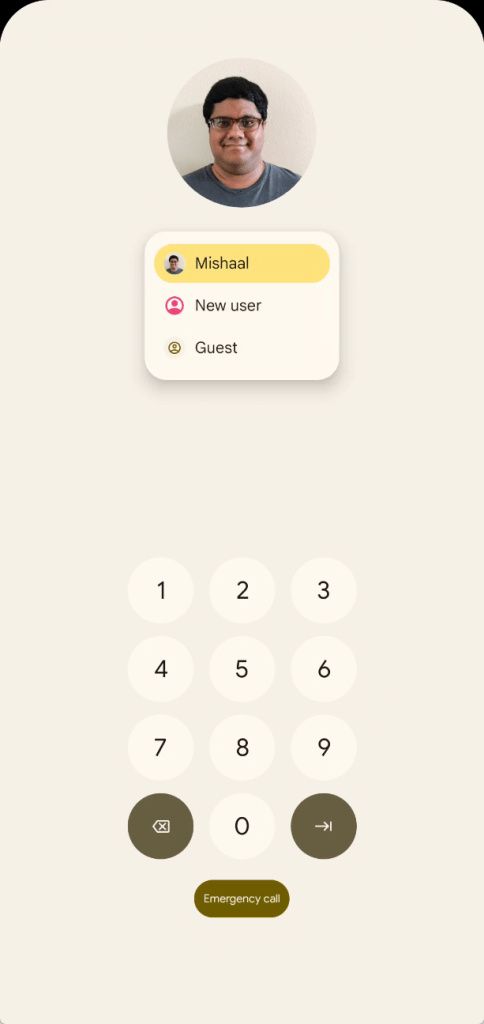
The Android 13 DP1 build ships with a new keyguard profile switcher that appears as a drop-down menu on the lock screen PIN/password/pattern entry page. This will allow users to switch profiles even before unlocking the device. The keyguard profile switcher is said to be disabled by default, but here’s what it looks like when enabled:

Android 13 keyguard profile switcher Android 13 keyguard profile switcher

Privacy dashboard with longer data retention

Android 13’s DP1 build introduced a new “show 7 days” button within the privacy dashboard that will show permissions access data from the past 7 days. In case you’re wondering what’s new, the original privacy dashboard feature that was introduced with Android 12 only shows data from the past 24 hours. This feature, however, isn’t enabled by default in Android 13 DP1, although that may change with the future builds leading up the final release.

New menu option

LED flash brightness control API

The Android 13 DP1 build introduces two new APIs to the CameraManager class — getTorchStrengthLevel and turnOnTorchWithStrengthLevel. Simply put, these new APIs will let users adjust the brightness of their phone’s flashlight, like the custom Android skins from some OEMs already do.

Hub mode for tablets

The last one in the series of announced changes in the Android 13 DP1 build includes hints about a new Hub Mode for tablets. This new mode will let users share apps between profiles without borrowing sign-in data or switching between profiles. Notably, the Hub Mode will also let users set up “trusted networks”, thereby preventing others from accessing shared apps/data unless connected to the specified network.


Android 13 Developer Preview 2: Announced features

Android 13 Developer Preview 2 was released on March 17, 2022, and it added a bunch of new features and lots of improvements over the previous developer preview. Let’s take a look at the changes that were officially announced with the rollout:

Notification permission

If you hate getting too many notifications on your phone from unwanted apps, this feature is going to be your savior. Android 13’s DP build comes with new runtime permission for sending notifications from an app. The apps that are targeting Android 13 will need to request permissions from the user to push notifications. Google says it’s actively encouraging developers to target Android 13 as early as possible and request the notification permission for their respective apps.

Android 13 Developer Preview 2 notifications permission

This is going to be a great feature because it directly puts the end-users in charge of picking the apps that they want to see notifications from. You’ll soon be able to stop a random application from sending you notifications, including promotions.

Developer downgrade permissions

Android 13 is introducing a new API that will allow developers to downgrade previously granted runtime permissions that are no longer needed by an updated version of the app.

Improved Japanese text wrapping

Android 13 DP1, as we mentioned earlier, introduced improvements to text wrapping with faster hyphenation. The company is making more improvements with the DP2 build, specifically for Japanese text this time. The TextViews can now wrap text by Bunetsu, the smallest unit of words that’s coherent, instead of by character. This should make way for some polished and readable Japanese apps. Developers can enable android:lineBreakWordStyle=”phrase” with TextViews to take advantage of this.

android 13 japanese textview developer preview 2

Improved line heights for non-Latin scripts

Google has improved support for non-Latin scripts such as Tamil, Burmese, Telugu, and Tibetan in Android 13. The new build now uses line height that’s adapted for each language, thereby preventing clipping and also the positioning of the characters.

android 13 developer preview 2 text height

MIDI 2.0

Android 13 adds support for the new MIDI 2.0 standard, including the ability to connect MIDI 2.0 hardware through USB. For the uninitiated, MIDI 2.0 offers improvements to the resolution for controllers, support for non-Western intonation, and more expressive performance using per-note controllers.

Bluetooth LE Audio support

Bluetooth Low Energy (LE) audio promises lower power consumption and higher audio quality using the low Complexity Communications Codec (LC3). There are a good amount of products on the market with hardware that support BLE Audio, so we’re glad to see Google adding support for LE Audio in Android 13.

Color vector fonts

Android 13 can render COLR version 1 fonts, a new and highly-c0mpact font format with support for color grading. The Android 13 DP2 build also updates the system emoji to the COLRv1 format. You can read more about COLRv1 in the Chrome announcement.

New Foreground Services (FGS) Task Manager

Android 13 DP2 includes a new Foreground Services (FGS) Task Manager which shows a list of apps that are currently running a foreground service. It also lets users stop foreground services regardless of the target SDK version. The new “Active Apps” list can be accessed by swiping down on the notification drawer and tapping on the new icon next to the Settings cog. Tapping on it will open a card with the names of the apps, time spent active in the foreground, and also a Stop button. It is, however, worth pointing out that stopping an app via the FGS Task Manager doesn’t have the same effect as closing an app from the recent screen or using the “Force Stop” option. You can learn more about this particular feature right here.

Android 13 FGS Task Manager

The Android 13 Developer Preview 2 build also brings a ton of other developer productivity improvements too. We suggest you check out our Android 13 DP2 coverage to learn more about those announcements in detail.


Android 13 Developer Preview 2: Unannounced changes

Much like the first developer preview, the Android DP2 build was also full of many hidden features that weren’t a part of Google’s official announcement. Here, take a look:

App drawer in the taskbar

Google added a taskbar to the bottom of some large-screen devices, including some tablets and foldable phones as a part of one of the Android 12L updates. The same taskbar is also seen in the Android 13 DP2 build, but it comes with an additional icon that lets you open the app drawer.

Android 13 taskbar

Credit: Mishaal Rahman

Updated media controls and output picker

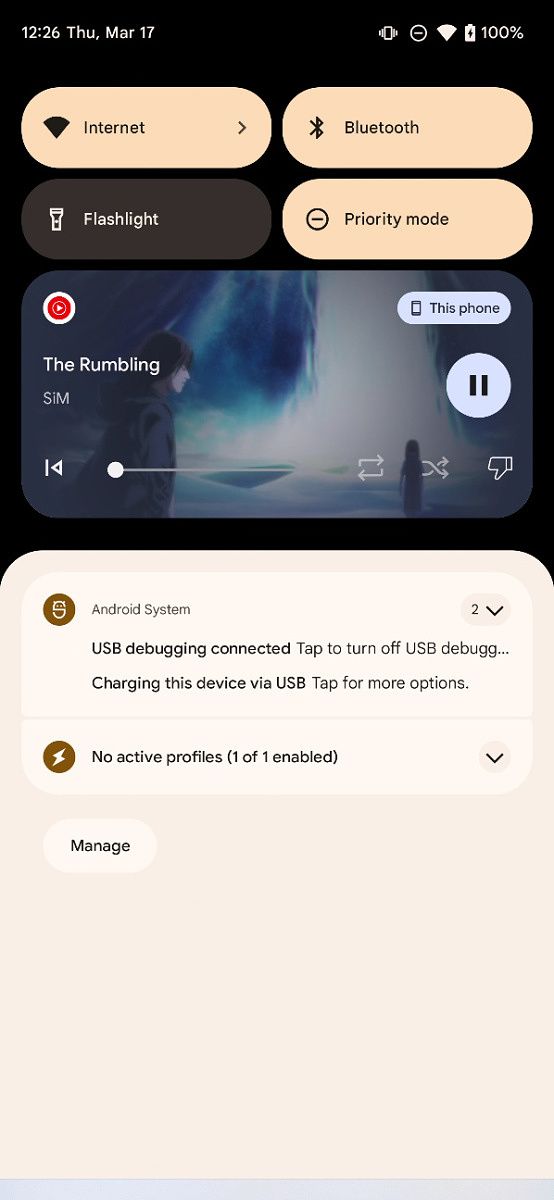
Along with a slew of new features and API changes, the second Developer Preview of Android 13 also came with updated media controls. Android 13’s media controls are still located between the quick settings menu and the notification panel, but the widget itself is a lot bigger now. While this means fewer taps to control your media, it also leaves lesser room for notifications. Notably, the updated media control also makes it easier to pick an output. The new output picker is now accessible by tapping the button at the top-right of the media controls, and it shows a list of all available output devices along with a “pair a new device” button.

Android 13 media player UI from Android 13 DP2 Android 13 output picker

A new clipboard popup

Google tweaked the screenshot functionality in Andriod 11 by adding an overlay that gives you a thumbnail preview, a share button, and an edit button. The company is now expanding this concept to clipboard content in Android 13. Now, every time you copy a text or an image, the new clipboard overlay will appear in the bottom left corner bearing a preview of the copied content along with an edit button. If the copied content contains any actionable information, then you’ll see an additional button with an option to open it with an associated app. If you copy map coordinates, for instance, then you’ll see a button to open that particular location in Google Maps.

Android 13 clipboard overlay

Note: Even though the new clipboard popup feature was spotted in Android 13’s DP2 build, it wasn’t enabled until the beta 1 release in April 2022.

Wallpaper effects generation API

The wallpaper effects generation API is essentially a new device personalization feature that will allow users to apply various fun effects to their wallpapers. This is a work-in-progress feature for now, but we expect it to be ready for the final build later this year. It’s hard to tell what this looks like or how it helps the users to customize their wallpapers because it’s disabled for now. Notably, there’s also a wallpaper dimming feature that’s expected to ship with the final build. This particular feature will allow you to dim the brightness of the wallpaper without changing the device brightness itself. The WallpaperEffects API is open to OEMs, meaning we might end up seeing a wallpaper customization feature in custom Android skins too.

Control smart home devices without unlocking

Google added a Device Controls Quick Settings tile and a lock screen shortcut in Android 11 to let users control their smart home devices without opening an app. But to use those controls via the quick settings tile or the lock screen shortcut, users first had to unlock their devices. In Android 13, however, apps can let users control their smart home devices without having them unlock their devices. It’s worth mentioning that this particular feature will not give users the option to select which Device Controls are available when their phone is locked. Google has added the isAuthRequired method to the Control class, and if it returns “true”, then users can interact with the control without authentication. Here’s a quick video to show this particular API in action:

Note: The new “Control from locked device” toggle was rolled out for all users only with the Android 13 beta 1 release in April 2022.

Granular vibration slider

Android 13 comes with a granular vibration slider for different vibration scenarios including alarms, phone calls, notifications, and more. Many Android devices allow you to change the vibration intensity of phone calls and notifications, but there’s no additional granularity. Additionally, you can also enable an option with which your device will vibrate before gradually ringing when you get a phone call.

A new search bar in Pixel launcher

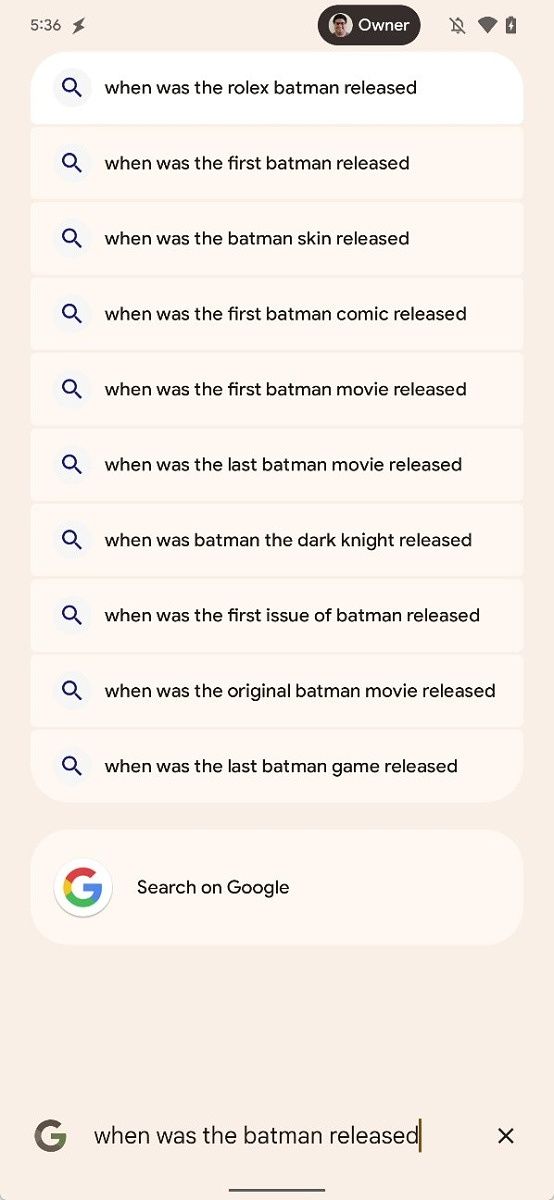
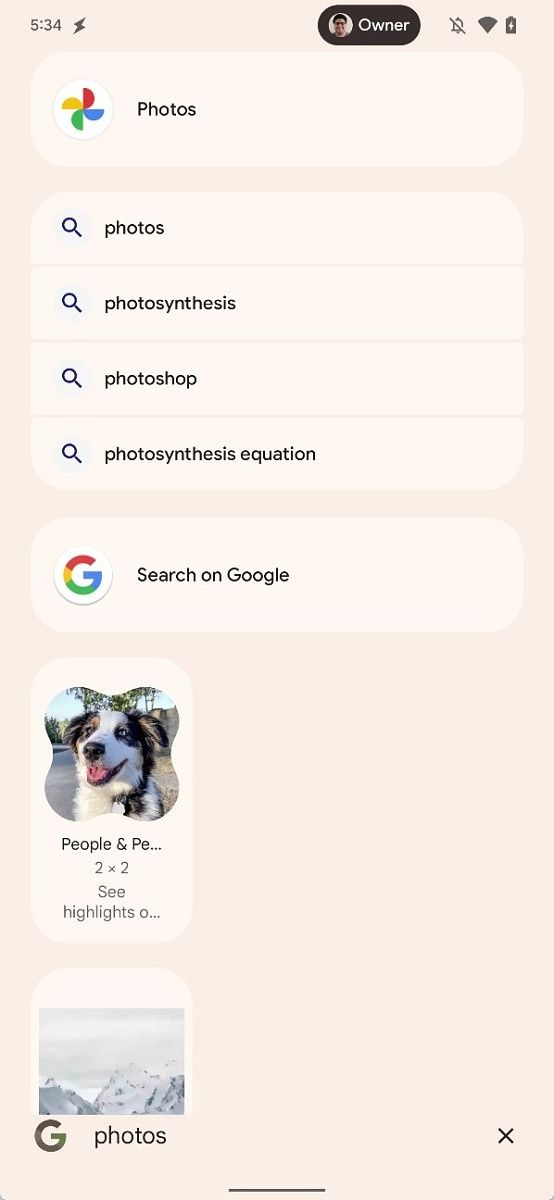
The Pixel launcher that ships with Android 13 DP2 come with an updated search bar. Once enabled, this search bar can be accessed via both the home screen as well as the app drawer, and it can pull results for widgets, saved screenshots, Google Search, and more. This updated search bar is expected to make it a lot easier for people to search for items on their devices. Being able to search for an image without having to open the Google Photos app or the file directory, makes it that much more convenient. This new search bar is expected to ship with the final build of Android 13 or perhaps sooner in a Pixel Feature Drop.

Pixel Launcher search Pixel Launcher search Pixel Launcher search

Support for Wi-Fi 7

IEEE 802.11be or Wi-Fi 7 as we know it, is the next-generation of Wi-Fi standard that promises to deliver incredibly fast speeds and very low latency. The first set of Wi-Fi 7 products are expected to make its way into the market by the end of this year or early next year. Well, the good news is that Android 13 has added preliminary support for Wi-Fi 7. Android 13’s DeviceWiphyCapabilities class has 802.11be and 320MHz in its list of standards and supported channel width, respectively.

More Material You color options

Google introduced dynamic colors in Andriod 12 as one of the key features of its new Material You design language. Google’s theme engine codenamed “Monet” generates a rich palette of pastel colors that are derived from your wallpapers. These colors are then applied to different parts of the system for a more unified look. The Material You engine already had a long list of colors in Android 12 but it looks like Google is making room for five additional styles called TONAL_SPOT, VIBRANT, EXPRESSIVE, SPRITZ, RAINBOW, and FRUIT_SALAD.

Android 13 EXPRESSIVE color style Android 13 SPRITZ color style Android 13 VIBRANT color style

Bandwidth throttling option for developers

Android 13 is finally adding a highly-requested feature for developers who want to simulate slow network conditions for their apps. There’s now a new setting in Android 13’s developer options that lets developers set a bandwidth rate limit for all networks capable of providing Internet access. It’s called “network download rate limit” and it has six different options to choose from, ranging from “no limit” to “15Mbps.”

Revamped screen saver

Google added screen savers to Android back in Android Jelly Bean. It’s been a good few years but the screen saver never really took off nor did it receive a significant overhaul. That seems to be changing with Android 13 as the DP2 build seems to have introduced a lot of new screen saver-related codes. It appears as though Google is working on revamped screen savers that could display additional information overlays, similar to complications on Wear OS. Esper‘s Mishaal Rahman managed to enable the hidden complications. In addition to “Colors”, “Clock”, and “Photos” screen savers, you can also activate complications to see ‘At A Glance’ widget, date and time, weather, and battery info overlayed on top of the screen saver.

Multiple eSIM support

Android 13 DP2 build reportedly includes an implementation of Multiple Enabled Profiles (MEP) for enabling multiple SIM profiles on a single eSIM. This works by splitting the single physical data bus between the modem and eSIM chip into multiple logical interfaces that are multiplexed on a single physical interface. eSIM modules, in case you don’t know, take up less space within the device, leaving more room inside the chassis for things like a larger battery, better camera hardware, and more. The new functionality could lead to wider eSIM support across phones but it may take a while as most carriers still don’t support eSIM.

Game loading time improvements

Android 13 adds a new method called setGameState to the GameManager API that can be used to send a loading time hint to the power HAL to activate the new GAME_LOADING mode and boost CPU performance. While this may positively impact game loading times, it remains to be seen how OEMs will tune the CPU performance when the GAME_LOADING mode is active. It’s worth pointing out that many OEMs have already implemented various optimizations to improve game loading times on their devices.

HDR video in Camera2API

The Camera2API allows the developers to check what camera features are available on a device and exposes granular camera features to apps. Google is adding more features to the Camera2API to make it even better. Android 13’s HAL allows smartphone makers to expose 10-bit video output to the Camera2 API. And in case an OEM device supports other HDR formats such as HDR10+ and Dolby Vision, the device maker can advertise the recommended profile to apps using the CameraCharacteristics#REQUEST_RECOMMENDED_TEN_BIT_DYNAMIC_RANGE_PROFILE constant. Additionally, it’s worth mentioning that the Camera2 API also includes support for “stream use cases” to allow OEMs to optimize the camera performance in different streaming scenarios.

The device makers are required to implement the following stream use cases:

  • PREVIEW for live viewfinder and in-app image analysis
  • STILL_CAPTURE for still photo capture
  • VIDEO_RECORD for recording video clips
  • PREVIEW_VIDEO_STILL for one single stream used for viewfinder, video recording, and still capture.
  • VIDEO_CALL for long-running video calls

DNS over HTTPS

Android 13 finally adds native support for DNS over HTTPS (DoH). A code change specific to the native DNS over HTTPS was first spotted back in September 2021. It’s finally here now as a part of the Android 13 DP2 build. DNS over TLS uses TLS (also known as SSL) to encrypt traffic, while DNS over HTTPS uses HTTP or HTTP/2 protocols to send DNS queries and responses. One of the main advantages of using DoH over DoT is that the latter uses a dedicated port where anyone at the network level can see incoming and outgoing traffic. DoH, on the other hand, uses port 443, which is the standard port for HTTPS traffic. This means the requests and traffic sent over DoH can hide in with the rest of the HTTPS traffic, making it near impossible for attackers or network admins to monitor or block DoH queries.

Launch apps in split-screen from its notification

Users on the Android 13 DP2 build can now launch an app in split-screen multitasking mode directly from the notification panel. This can be done by long-pressing the notification and then dragging and dropping it to either half of the screen. This particular feature was first introduced in Android 12L, with which the company started to pay attention to Android on large-screen devices.

Better memory management to prevent app killings

Many Android devices, as you probably already know, struggle with memory management. This results in delayed notifications or apps being killed in the background. Some OEMs tune their software better to handle this issue, but many devices from manufacturers like Vivo greatly suffer. But it looks like Android 13 may fix this for good thanks to a feature called “Multi-Generational Least Recently Used” (or MGLRU)”.

This particular feature achieves a couple of goals, including an overall decrease in out-of-memory (OOM) app killings. We wrote about the “Multi-Generational Least Recently Used” feature in detail back in April this year when we first heard about it making its way to Android, so be sure to check it out for more details.


Android 13 Beta 1: Announced features

Google exited the “developer preview” stage of Android 13 with the first release of Android 13 Beta 1 on April 26, 2022. The beta builds are more stable than the DP releases but you should still be wary about installing it on your daily driver. That being said, let’s take a quick look at some of the officially announced features we saw with the arrival of the Android 13 beta 1 build:

More granular permissions for media file access

Currently, all the applications on your Android device can access the files on your phone’s storage with the help of READ_EXTERNAL_STORAGE permission. This permission, however, will allow the apps to access all kinds of media files on the storage. For instance, an audio-playing app will have access to your photos with this permission, which is quite unnecessary. But Google is changing this by introducing three new permissions with Android 13:

  • READ_MEDIA_IMAGES (for images and photos)
  • READ_MEDIA_VIDEO (for videos)
  • READ_MEDIA_AUDIO (for audio files)

If a particular application. requests access to more than one media file type, then you’ll see a single dialog for granting both permissions like this:

Android 13 beta 1 media access request

Anticipatory audio routing

Google has added a set of new audio route APIs in the AudioManager class to allow media apps to identify how their audio will be routed. The getAudioDevicesForAttributes() and the getDirectProfilesForAttributes() APIs can be used to gather a list of available devices to the specified audio and to check whether an audio stream can be played directly.


Android 13 Beta 1: Unannounced changes

Google’s official Android 13 beta 1 announcement made it look like it went easy on the new features but a lot of new undocumented features were extracted from the new build. Here, take a look:

Do Not Disturb Mode is here to stay

The Android 13 DP2 build shipped with “Priority Mode” which was essentially a renamed version of “Do Not Disturb” mode. Turns out, Google didn’t like the name because it ended up reverting the change with its Beta 1 build. There’s a chance that Priority Mode could return in a future Android 13 beta update, or it could be renamed in a future release of Android. For now, though, Do Not Disturb is here to stay.

New animation in media control

Android 13’s DP1 build updated the design of the media controls under the quick settings. You can read more about it above in the Android 13 DP1: Unannounced changes section. Well, the beta 1 build comes with a bit of extra flair: a Squiggly progress bar.

Android 13 media squiggly animation (it squiggles)

Android 13 Beta 1 media animation (Credit: Mishaal Rahman)

New color and theming options to the Wallpaper & style app

Android 13 beta 1 adds several new colors and theming options to the Wallpaper & style app on Pixel devices. The updated beta 1 build includes four pages of wallpaper colors and basic colors, taking the total number of both wallpaper colors and basic colors to 16. In contrast, the Wallpaper & style app in the Android 13 Developer Preview 2 release only offered four colors each.

Screen resolution setting

Android 13 makes it easier to switch the resolution in the Settings app. The Android 13 beta 1 build adds a new “Screen resolution” page under Settings > “Display”. It goes without saying that this will only be available on supported devices that lets the user choose between FHD+ (1080p) or QHD+ (1440p). This is essentially an additional layer of customization that exists on top of the feature that lets you change the current refresh rate.

Screen resolution settings page with two options

Credit: Esper

It’s also worth mentioning that some custom skins of Android such as Samsung’s One UI already have the option to change the current screen resolution.

No access to Accessibility APIs for sideloaded apps

Accessibility APIs, as you probably already know, are powerful tools that are intended for developers to help aid users with disabilities. But lately, we’ve been seeing a lot of malware such as FluBot taking advantage of those APIs for malicious intents. However, Google is cracking down on such malware by preventing sideloaded from accessing those APIs. That’s right, any sideloaded apps from outside of an app store will not be able to have their accessibility services enabled.

Android 13 accessibility

When tapping the option to enable it, your device will show a pop-up stating “For your security, this setting is currently unavailable”.

TARE: The Android Resource Economy

Android 13 brings a new energy management feature that lets apps make the best use of the available battery life on your device. TARE primarily focuses on energy-use management on the device, with the feature working through AlarmManager and JobScheduler policies. TARE will essentially delegate “credits” to apps that they can then “spend” as payments on queuing tasks. The number of credits assigned to a particular app will depend on things like battery life.

Android 13's TARE: The Android Resource Economy Android 13's TARE: The Android Resource Economy

This feature was originally spotted last year but Android 13 Beta 1 reportedly changes how TARE works under the hood. According to Mishaal Rahman of Esper, Google has changed how the Android Resource Credits are allocated to various apps. The “maximum circulation” of credits that limited how many credits could be allocated to all apps has now been removed. It has been replaced with a “consumption limit” that limits the credits that can be consumed across all apps within a single discharge cycle. In simple terms, your device will perform fewer actions if/when the battery levels are low.

Google has added a couple of other noteworthy features with the Android 13 beta 1 build, so be sure to check out our coverage to learn more about them.


Android 13 Beta 2: Announced features

Google released the second public beta build of Android 13 at Google I/O 2022. The Android 13 beta 2 build brings a couple of interesting features including predictive back gestures. Let’s a look:

Security and Privacy settings on the same page

Google announced that it’s introducing a unified Security & Privacy settings page in Android 13. This new page puts all the security and privacy settings under one roof to make it easier for people to find what they need. While this page was announced at Google I/O, it looks like it’s not accessible in the beta 2 build. We’ll keep an eye on this page and report/update this space once it goes live.

Security and Privacy page in Android 13


Android 13 Beta 2: Unannounced changes

As is the case with every other build of Android 13, the second public beta release also added a bunch of unannounced features to mix. Let’s take a look:

Resource files specifying supported app languages

With the Android 13 beta 2 build, the developers can now specify what languages their apps can support so that users can choose languages on a per-app basis. You can learn more about using languages on a per-app basis in the Android 13 DP1 section above.

Predictive back gesture

Google is introducing “predictive back gestures” with Android 13 that allows users to preview the destination or other result of a back gesture before they complete it. This will enable you to decide whether or not you want to continue with the gesture or stay in the current view. App developers can also easily integrate this into their apps.

Once this particular feature is fully available to use, you can head over to Settings > System > Developer options to select Predictive back animations and see it in action.

Support for Bluetooth LE Audio’s broadcast

Android 13 beta 2 build adds support for Bluetooth LE Audio’s broadcast audio feature, which will essentially let users broadcast audio from supported devices to nearby users over Bluetooth. This is a great feature as other nearby devices can use Bluetooth to tune into your broadcast. Users who want to broadcast media will find an option broadcast media in the media output picker, whereas the ones who want to tune into other broadcasts will have to scan a QR code or enter the name and password for the broadcast.

Android TV’s expanded picture-in-picture mode

Android 13 TV Expanded PiP API

Android TV has supported picture-in-picture mode for years now, but it’s worth mentioning that Android 13 will be the first version that will allow developers to create expanded PiP windows. This will allow users to seamlessly change the size of a PiP window. Google didn’t ship the expanded PiP with the beta 1 build, however, it’s finally here along with a new docked mode that resizes the main app to allow PiP windows to be seated on the edges.

Gboard’s Emoji Kitchen gets new emojis

Google’s Emoji Kitchen is one of our favorite features of the Gboard. In case you’re wondering, it lets you combine two different emojis to create an entirely new one. There’s no shortage of emojis in Gboard’s Emoji Kitchen but the Android 13 Beta 2 offers support for four additional emojis, including paw prints, cherries, watermelon, and rock.


Android 13 Beta 2.1: bug fixes

The Android 13 Beta 2.1 is a minor release in comparison to the previous Developer Preview builds and the Beta updates. As such, the beta 2.1 update packs a few software fixes to improve the overall stability of the software.

Android 13 Beta 2.1 bug fixes

  • Fixed an issue where typing in the search bar resulted in a blank list of suggestions.
  • Fixed an issue where devices would crash and restart when turning on hotspot.
  • Fixed an issue where a continuous call dialing sound could be heard in the background during a phone call.
  • Fixed an issue where devices would crash and restart after disconnecting from Android Auto.

Android 13 Beta 3: Announced features

Google released the Android 13 Beta 3 build on June 8, 2022. As mentioned in the original platform roadmap, the third beta release brings Android 13 to the platform stability milestone. This means that “Android 13 has reached final internal and external APIs, final app-facing behaviors, and final non-SDK API lists (greylists).” Now let’s take a quick look at some of the features that were officially announced with this build:

App compatibility

Since Android 13 has now hit the platform stability milestone, it’s now ready for the developers to test their apps against. Google essentially wants all the developers to test their apps on a device running Android 13 beta 3 to ensure maximum compatibility. The developers are expected to target the new APIs and incorporate support for all the behavior changes. Google has, in fact, highlighted a couple of changes app developers should watch for while testing their apps on Android 13 beta 3 including things like the runtime permissions for notifications, clipboard preview, JobScheduler prefetch, and more.

Tablets and large-screens support

Additionally, Google has also highlighted that the developers should include tablets and other large-screen devices as part of their testing. This can either be done by setting up an Android emulator in Android Studio or using a compatible large-screen device, like the Lenovo Tab P12 Pro. A few changes highlighted by Google in its official announcement post are as follows:

  • Multi-window mode: This mode is now enabled by default for all the apps, the company wants the developers to make sure their apps handle split-screen properly.
  • Taskbar interaction: Google also wants the developers to check how their apps respond when viewed with the new taskbar on large screens. The taskbar that debuted with Android 13 DP2 will now be persistent on large screen devices.
  • Media projection: The developers are expected to check how their apps respond to media projection for playback, streaming, or casting media on large screens.

You can check out our Android 13 Beta 3 coverage for a more detailed look at all the changes that are coming to tablets and large-screen devices.


Android 13 Beta 3: Unannounced changes

In addition to the new features and changes announced by Google in its official post, the new Android 13 Beta 3 build also includes a few undocumented changes. Here, check them out:

Prompt to review notification settings

One of the first things you’ll notice after booting into the Android 13 Beta 3 build is a prompt to review notification settings. This helps users to understand how the new notification model works in Android 13, putting the end-users in charge of picking the apps that they want to see notifications from.


Web suggestions toggle in Search settings

Google’s Pixel Launcher settings in Android 13 Beta 3 includes a “web suggestions” toggle. This can be found inside the Search your phone option inside the Home settings. When enabled, the Pixel Launcher will also show web results when typing in the search bar on the home screen or app drawer.

Web suggestions in pixel launcher android 13 beta

Credits: Mishaal Rahman

Per-app language feature push

Android 13 DP1 build introduced an option to enable per-app language preference to allow users to set their preferred language for each app. The app developers targeting Android 13 are expected to list the languages their apps actually support in the locales_config.xml resource file. As noted by Mishaal Rahman of Esper on Twitter, the apps that do not provide a locales_config.xml resource file will not be shown in the per-app language preferences page starting in the Android 13 Beta 3 build. While you can force the system to show all the apps, it goes to show how Google is pushing the developers targeting Android 13 to proactively list the supported languages.

New navigation bar mode called “kids mode”

There’s now a new navigation bar mode in Android 13 called “kids mode” that can be enabled on large-screen devices. It features different drawables and a new layout for the back and home icons on the navigation bar. Notably, the recent apps icon is missing on this mode, perhaps for a good reason. What’s more interesting is that the navigation bar is kept visible when apps enter immersive mode. As a part of the improvements in the Android 13 Beta 3 build, they now stay persistent on the screen even while playing videos in full-screen mode. However, the buttons do fade away when they haven’t been pressed for a few seconds. Here, take a look:


Android 13 Beta 3.1: Restores the Android Beta Feedback app

Just a couple of days after rolling out the Android 13 Beta 3 build, Google pushed a minor patch in the form of an Android 13 Beta 3.1 update. This version of the software restored the Android Beta Feedback app, which was found to be missing for some in the third beta update. The Android Feedback app is critical to beta releases as it’s the best means of submitting bugs, requesting features, and other feedback that you may have with regard to the current beta or Developer Preview build.


Android 13 Beta 3.2: Major bug fixes

Google rolled out the Android 13 Beta 3.2 build to eligible devices on June 16, 2022. This particular build was packed with some major bug fixes to improve the overall stability of the software.

Android 13 Beta 3.2: Bug fix changelog:

  • Fixed an issue where the back gesture wasn’t working in some apps.
  • Fixed an issue where the At a glance settings page would collapse inconsistently when scrolling.
  • Fixed an issue where some apps would crash instantly on opening.
  • Fixed an issue where the microphone would turn on and off unexpectedly during unrelated use of the device.
  • Fixed an issue where the Google Photos app would crash frequently.

Android 13 Beta 3.3: bug fixes

The Android 13 Beta 3.3 is yet another incremental build that was pushed as an extension to the third beta branch of Android 13. This update was pushed on June 27, 2022, with the build number TPB3.220617.002. You can find the changelog to this particular build in our dedicated Android 13 Beta 3.3 post in which we’ve highlighted each fix in detail with some other relevant information.


Android 13 Beta 4: The release candidate build

The Android 13 Beta 4 — released on July 13, 2022 — is the release candidate build for both Google Pixel devices and the Android Emulator. This particular build marks the end of the road for Android 13’s pre-release beta software, so it focuses more on bug fixes and polishes instead of pushing new features. Here are a few key changes which Google highlighted with the Android 13 Beta 4 release:

  • Runtime permission for notifications: The latest version of Android introduces a new runtime permission for sending notifications from an app.
  • Clipboard preview: Google noted that the developers must ensure their app hides sensitive data in Android 13’s new clipboard preview, such as passwords or credit card information.
  • JobScheduler prefetch: JobScheduler now tries to anticipate the next time an app will be launched and will run any associated prefetch jobs ahead of that time. Google advised developers to test if their prefetch jobs function works as expected with this release.

Android 13: Final release

Following months of developer previews and beta releases, Google finally released the stable Android 13 build for Google Pixel smartphones on August 15, 2022. This is the final build of Android 13 that will eventually make its way to other Android flagships later this year and in 2023. Google didn’t add any new features to this particular build because it’s essentially a refined version of the builds we received in the past.

The initial public Android 13 rollout, however, doesn’t mark the end of the Android 13 beta program. Google plans to continue testing fixes and improvements by sharing its Quarterly Platform Release (QPR) builds with those who are already enrolled in the Android 13 beta program. The company will release Android 13 QPR1, Android 13 QPR2, and Android 13 QPR3 builds before previewing Android 14 next year. We’ve highlighted the QPR build changelogs below.


Android 13 QPR1 Beta 1

The first Android 13 13 QPR1 Beta build was released for supported Pixel devices on September 8, 2022. This build came bearing some fixes and improvements that weren’t a part of the public build at that time. Here’s a quick look at the Android 13 QPR1 Beta 1 changelog:

  • Fixed an issue for some devices that mistakenly caused a user’s emergency contact to be dialed from the lock screen when the device was in their pocket.
  • Fixed various issues for Pixel 6a devices that made it difficult for users to unlock their devices or to set up Fingerprint Unlock.
  • Fixed an issue that caused the system UI to crash in certain cases, such as gesturing from the edge of the screen to go back.
  • Fixed an issue that sometimes caused the 5G icon to be displayed instead of the 5G UW icon, even when the affected device was already successfully connected to a 5G UW network.

Android 13 QPR1 Beta 2

The Android 13 QPR1 Beta 2 was released on October 5 for Google’s supported Pixel devices like the Pixel 4a, Pixel 4a 5G, Pixel 5, Pixel 5a, and Pixel 6. Google is yet to share the Android 13 QPR1 Beta 2 changelog highlighting the fixes and improvements, so we’ll update this space once we have more clarity on that.


Android 13 “Tiramisu”: Closing Thoughts

The final build of Android 13 is already out there and it’s up and running on various flagship devices. However, you can expect Google to pump out monthly QPR beta releases until the Android 14 preview next year. We’ll continue to update this article as and when new QPR builds come to light. In the meantime, we’d like to know your thoughts on Android 13. Is it already available for your smartphone? If yes, then have you installed it on your device? Let us know in the comments below!

The post Android 13 “Tiramisu”: Everything you need to know about Google’s big update for 2022 appeared first on XDA.


from XDA https://ift.tt/Kid4FCu
via IFTTT
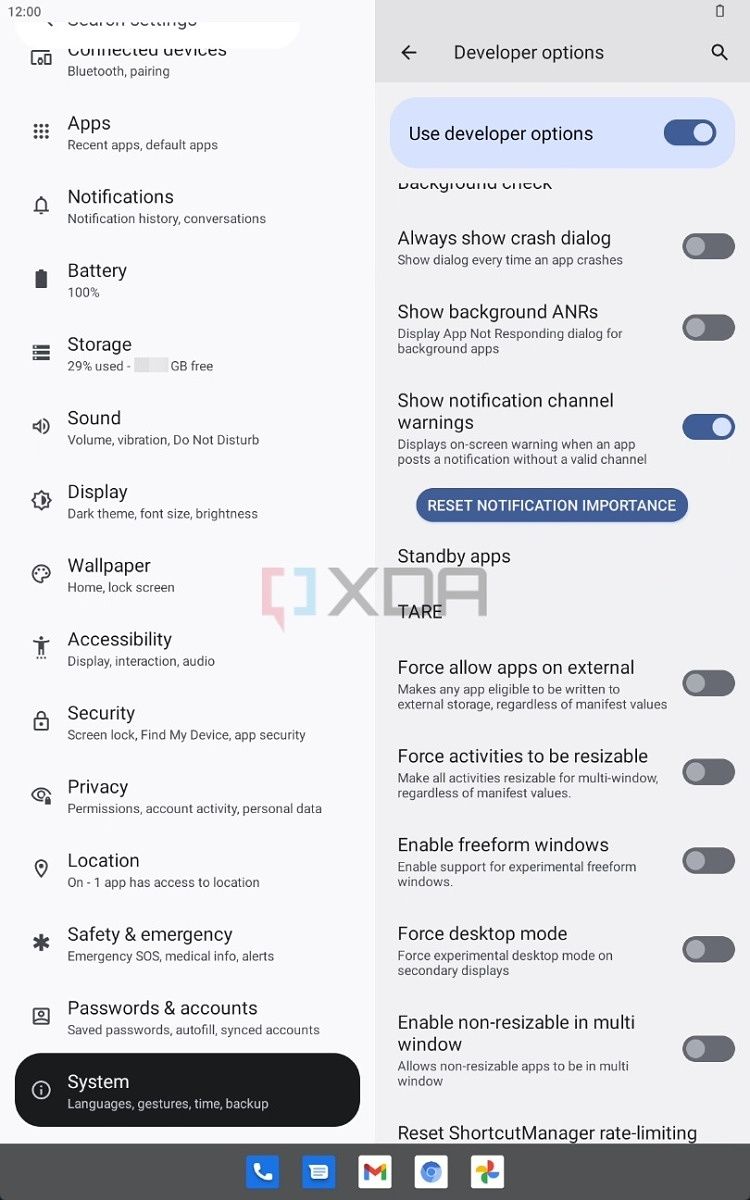
mercredi 12 octobre 2022

Signal is removing SMS support from its Android app

It might be hard to believe, but Signal started life over ten years ago as two independent apps that focused on encrypted voice-calling and encrypted text messaging apps. The company, then called Whisper Systems, also produced security apps like firewall protection and data encryption tools. During that time, mobile data services were in their infancy, so the company integrated encrypted SMS as part of its secure messaging app. It would later remove encryption support for SMS, and today, it has announced that it will be getting rid of SMS completely from its Android app.

The company states that the main reason behind the move was that the firm wanted to prioritize the security and privacy of its users. While SMS messages are convenient, the technology behind the service is quite old, making it vulnerable and insecure. Furthermore, the service is routed through wireless carriers, which often have problems with data breaches, and make it less manageable. Signal found it best to remove such a service from its app, as it doesn’t really mesh well with its core principles.

In addition to security concerns, the company didn’t want its users to incur any unexpected messaging fees. Apparently, users had issues with high messaging fees because they thought they were sending Signal messages but were instead using SMS the whole time. While some parts of the world, like the United States, offer unlimited text messaging, other regions charge quite a bit just to send one single message. By removing SMS from the Android app, there is now a clear understanding of what the app can do, which should mitigate future misunderstandings.

Its final reason for removing SMS support from its Android app was simply a matter of consumer experience. In order to have both messaging systems co-exist with each other in the app, Signal had to create an experience that could accommodate both, while still delivering a clear message to users on what services were being used to send and receive messages. Unfortunately, no matter how good a design is, there is always room for misinterpretation. These kinds of misinterpretations could cause users to not understand which services were being used to send messages or, like in the previous example, could cause unwanted billings from wireless carriers.

Going forward, Signal will be free to focus more on its core efforts and also new features, like usernames. As mentioned before, the feature will no longer be a part of the Android app, and the company states that it will create a smooth transition as it fazes out SMS from its app. If you’re looking for an alternative, be sure to check out our guide for some of the best messaging apps available for iOS and Android.

Signal Private Messenger (Free, Google Play) →


Source: Signal

The post Signal is removing SMS support from its Android app appeared first on XDA.


from XDA https://ift.tt/1Ockyi2
via IFTTT