LightBlog

mercredi 7 avril 2021

These are the best Verizon phones in April 2021: Samsung, Apple, Google, Motorola & more!

It’s hard to believe that we’re already entering the second quarter of the year, and so far 2021 has had a whole lot of new and exciting smartphones releases. We just need to look at what companies like Samsung, Apple, and OnePlus have been doing. But sometimes, it can feel like you’re missing out on some of them because you’re in the US and you’re tied to a carrier, and thus don’t have a wide catalog to choose from, unlike people who buy unlocked phones do. Verizon though does have a fairly big catalog of options with some of the best US smartphones released throughout the year. So if you’re a Verizon customer in the market for a new phone, we’ve rounded up some of the best Verizon phones!

Whether you need a smartphone on a budget or you want some of the most bleeding-edge hardware available out there, you can take advantage of Verizon’s offers and discounts by choosing from their current catalog of budget and flagship smartphones. This list will include both iOS and Android devices in all kinds of price ranges, and will also include, for the most part, full support for Verizon’s network, including their 5G network.

Navigate this guide:

Best Overall: Samsung Galaxy S21 Ultra 5G

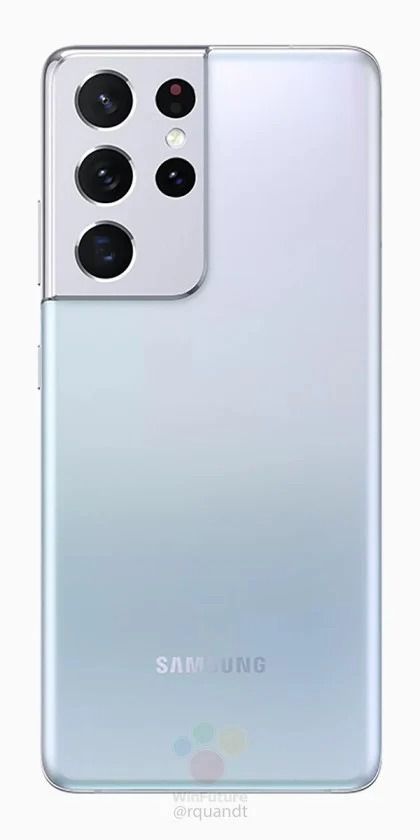
Samsung Galaxy S21 Ultra 5G

The Samsung Galaxy S21 Ultra 5G is currently the most premium smartphone in Samsung’s current lineup, and it goes to show how well Samsung has matured its whole lineup. The Galaxy S20 Ultra from last year felt like a rough look into the future of Samsung’s premium smartphone, serving as both a massive step forward and a step back in several aspects. The 108MP camera felt clunky to use and fell short in a lot of its promises, yet was still a step in the right direction for Samsung. With the S21 Ultra, they learned from their mistakes and came up with a couple of new tricks up their sleeves, and it shows a lot.

For the money, you get a Snapdragon 888 processor based on a 5nm process, which is as good as it gets for flagship smartphones in 2021, with 16GB of RAM and up to 512GB of UFS 3.0 storage. It also has a world-class 6.8-inch QHD+ AMOLED display with a 120Hz ultra-smooth refresh rate, as well as a 108MP quad rear camera setup with 8K video recording capability and features such as 100X Space Zoom (vastly improved from its previous iteration). Oh, and it’s also compatible with the S Pen, just in case you’re part of the Note crowd considering an upgrade to this device. It is very clearly one of the best Verizon phones right now, and you can check it out at the link below.
    Samsung Galaxy S21 Ultra 5G
    The Samsung Galaxy S21 Ultra 5G is Samsung's new mainstream premium smartphone, with S-Pen support, amazing 108MP cameras and 120Hz display, plenty of processing power, and support for several features such as 100X Space Zoom. You're paying a lot of money for a lot of phone.

Runner-Up: iPhone 12 Pro

Apple iPhone 12 Pro

The iPhone 12 Pro is Apple’s latest premium smartphone, and it comes with a lot of generational improvements over last year’s iPhone 11 lineup. The 5nm Apple A14 processor is a marked improvement over last year’s smartphone with a lot of processing power. The iPhone 12 Pro also comes with improvements such as a renewed design with flat edges reminiscent of the iPhone 5, ever-so-slightly smaller bezels, better camera prowess with markedly better low-light performance, and a LiDAR scanner for 3D mapping and scanning for AR applications.

It’s the best of the best Apple currently has to offer. Other features include MagSafe support, up to 512GB of NVMe storage, Face ID support, and much more. It’s also the first iPhone with 5G support, and you can enjoy Verizon’s 5G network with it. You can check it out at the link below.

    Apple iPhone 12 Pro
    The iPhone 12 Pro is Apple's latest premium iPhone, coming in with a wide variety of generational improvements, the new Apple A14 5nm SoC, a quad rear camera setup with LiDAR, and support for 5G connectivity on Verizon's network.

Best Camera: Google Pixel 5

Google Pixel 5 in Sage Green

The Google Pixel 5 is Google’s best smartphone so far. It does a lot of things differently to previous Pixel devices in their lineup, for example being the first main flagship entry in the Pixel series not to feature a flagship processor. It has a Snapdragon 765G, which still gives you plenty of performance, and features 8GB of RAM and 128 GB of storage. It also has the Pixel series’ big staple–camera performance–that, to this day, remains almost unmatched. Most of the phone’s camera prowess can be attributed to software, so they don’t need any extra fancy sensors as other phones do. It features normal and ultra-wide pictures.

The Pixel 5 can be yours for $699 on Verizon and supports the carrier’s 5G network with the same stock software you love from Google and the same feature set. If you’re a Verizon customer looking for a phone with an amazing camera that doesn’t come that costly, this is definitely one of the best Verizon phones worth a look.

    Google Pixel 5
    The Google Pixel 5 is Google's newest flagship, coming with a Snapdragon 765G, 8GB of RAM, 128GB of storage, 5G connectivity, and everything you love about a Pixel phone, including the amazing cameras and software.

Best Value: Samsung Galaxy S21 5G

Samsung Galaxy S21 5G

The Samsung Galaxy S20 FE was one of Samsung’s greatest hits from last year, providing one of the best price-to-performance ratios we’ve seen from Samsung in the last few years. While the Samsung Galaxy S21 5G is actually meant to succeed the Galaxy S20 from last year, prices got slashed $200 across the board with all Samsung Galaxy S21 devices, bringing the regular Galaxy S21 a lot closer to the price of the Galaxy S20 FE, making it a much more compelling deal overall. The Galaxy S21 has the same Snapdragon 888 processor, 120Hz display, and most internal specs while also cutting down on aspects such as the camera to keep the costs down.

The Samsung Galaxy S21 is definitely one of the best Verizon phones currently available. Check it out at the link below.

    Samsung Galaxy S21 5G
    The Samsung Galaxy S21 5G is Samsung's cheapest 2021 flagship, coming with the internals of the much more expensive models in a way cheaper and comfortable package, including the Snapdragon 888 and the 120Hz display.

Best Compact: iPhone SE

Apple iPhone SE in White

The second-generation iPhone SE from Apple was actually launched earlier this year, and it’s a completely different beast from the first device that launched as the iPhone SE. While that one launched in 2015 as pretty much a smaller iPhone 6s (in terms of internals) in the small 4-inch build of the iPhone 5, the new iPhone SE brings the iPhone 11’s internals, such as the Apple A13 Bionic SoC, in a smaller 4.7-inch form factor reminiscent of the iPhone 7 and iPhone 8.

While it’s not the best compact iPhone anymore (that award goes to the iPhone 12 Mini, which is actually smaller than the iPhone SE now), it is still the cheapest one around, starting at a digestible $399 for the 64GB model. It’s not the best phone you can get at Verizon right now, and it doesn’t support 5G, but it is still pretty good, especially if you’re looking for an iOS device on a budget.

    Apple iPhone SE (2020)
    The iPhone SE is currently the cheapest iPhone in Apple's lineup, but packing an A13 Bionic SoC, it is definitely no slouch. If you're a fan of the iPhone 8's form factor and small design, then this might be the phone for you.

Best Bleeding-Edge: Samsung Galaxy Z Fold 2 5G

Samsung Galaxy Z Fold 2

Want something that will make you stand out of the pack immediately and don’t mind paying an astronomical cost for it? Well then, the Galaxy Z Fold 2 might be the phone for you. The astronomical cost though is well worth it in this case. It comes with the same internal specs as the Note20 Ultra, including the same Snapdragon 865+ processor, 12GB of RAM, up to 512GB of storage, and a slightly stepped down 12MP triple camera setup. But the device packs a foldable 7.6″ panel that folds inward as well as an external 6.2″ display with a 25:9 aspect ratio. The foldable panel comes with a 120Hz refresh rate for ultra-smooth usage in full resolution.

There are many advantages to having a foldable display, and if you’re one of them who wants to try out the experience, then go ahead and check it out on Verizon. It does come at a considerable premium compared to any of the other options in our list, but given how much Samsung has improved their foldable smartphones year-on-year, we think it’s well worth it for one of the best Verizon phones on the premium segment.

    Samsung Galaxy Z Fold 2 5G
    The Samsung Galaxy Z Fold 2 5G is Samsung's highest-end offering at the moment, featuring a foldable 120Hz display with a Snapdragon 865+. But it's also the most expensive device in this list, by far, costing a whopping $1,999.

Best Mid-Range: Google Pixel 4a

Google Pixel 4a

The Google Pixel 4a continues the successful formula that Google started with the Pixel 3a lineup. This is a really cheap smartphone with very average mid-range specifications, but also packs everything that makes a Pixel smartphone so good and iconic. It packs Google’s fast updates and clean, stock Android software, and also comes with Google’s world-class camera processing, although the dual lenses that come with the higher-end smartphones are dialed back to a single rear camera sensor.

It comes with its downsides though, the main one being that this smartphone doesn’t support 5G connectivity. But still, it’s a pretty solid offering from Google. You can grab it from Verizon’s website now.

    Google Pixel 4a
    At $349, you're getting a very capable mid-range Pixel with the same world-class camera on the higher-end models, a Snapdragon 730G processor, 6GB of RAM, and Google's amazing software. It's one of the best, if not the best, budget phones of the year.

Best Battery Life: Motorola Moto G Power

Motorola Moto G Power

If you just want a cheap device that can provide you with amazing battery life, then the Motorola Moto G Power is the phone for you. The specs? Nothing amazing. There’s a Snapdragon 665 SoC, up to 4 GB of RAM, a rear 16MP camera, and 64GB of storage. The selling point of the phone, though, is the battery. The phone packs a 5,000 mAh battery cell which can provide the phone with up to 2 days of juice on a single charge. The Snapdragon 665 is built in an 11nm process and sips battery, which definitely helps the Moto G Power’s case here.

Don’t expect 5G or any other fancy features, but if what you want is simply a smartphone that can endure a lot of abuse without being connected to a wall every 6 hours, then the Moto G Power is the phone for you. It’s one of the best Verizon phones in terms of battery life.

    Motorola Moto G Power
    The Moto G Power is a very capable budget device from Motorola that really shines in the battery department, with a 5,000 mAh cell that can provide an amazing battery life of up to 2 days.

Best Budget Phone: Motorola Moto G Stylus

Motorola Moto G Stylus

The Motorola Moto G Stylus isn’t going to blow you out of your seat either if you’re expecting the same amount of features that are featured on some of the other smartphones on this list. But if you want a smartphone that focuses on the essentials and comes with a few extra perks, then you won’t want to miss this one. Just like the Moto G Power, the Moto G Stylus comes with a Snapdragon 665 and up to 4GB of RAM. However, internal storage gets a bump to 128GB, and you also get an arguably better 48MP camera.

It also has a stylus, as you may guess by the name. This isn’t really an overly amazing feature, as we’re not talking about the same kind of stylus (S Pen) the Galaxy Note smartphones pack but rather a barebones stylus, but it’s still pretty cool to have and does provide similar functionality, such as jotting down stuff while the screen is off. You can check it out on Verizon now.

    Motorola Moto G Stylus
    The Moto G Stylus is a very competent budget smartphone, featuring a Snapdragon 665 processor, 4GB of RAM, 128GB of storage, and a 48MP camera, equipped with a stylus for Note-like functionality.

Best Unique: LG Wing

LG Wing

The LG Wing is definitely a unique proposition that will make you stand out in a way no other smartphone in this list will—not even the Galaxy Z Fold 2. The LG Wing looks like a normal smartphone from the front and back, but if you slide the display aside, the screen will slide sideways to reveal a secondary square panel under it. This has a lot of unique potential use-cases: you can use the square panel as a more comfortable keyboard while your app is displayed in a horizontal orientation, for example. Or you can open a second app in that secondary display.

This unique device is one of the best Verizon phones right now and is fully 5G-compatible, featuring a Snapdragon 765G processor which will also give you plenty of processing power. Check it out at the link below.

    LG Wing
    The LG Wing features an unique form factor that is sure to make heads turn whenever you go. The internals are pretty amazing as well, with a Snapdragon 765G processor and 256GB of internal storage.

This is it for our list of best Verizon devices in April 2021. There’s a lot of options here, whether you’re looking for a premium flagship in the Note20 Ultra, an iOS device in the iPhone 12 Pro, or a more affordable option in the shape of the Galaxy S20 FE or going all the way down to Motorola’s Moto G lineup. What do you think about our picks? Let us know down in the comment section.

The post These are the best Verizon phones in April 2021: Samsung, Apple, Google, Motorola & more! appeared first on xda-developers.


from xda-developers https://ift.tt/3lqYfKH
via IFTTT

“Hey Spotify” is a new wake word to launch music hands-free

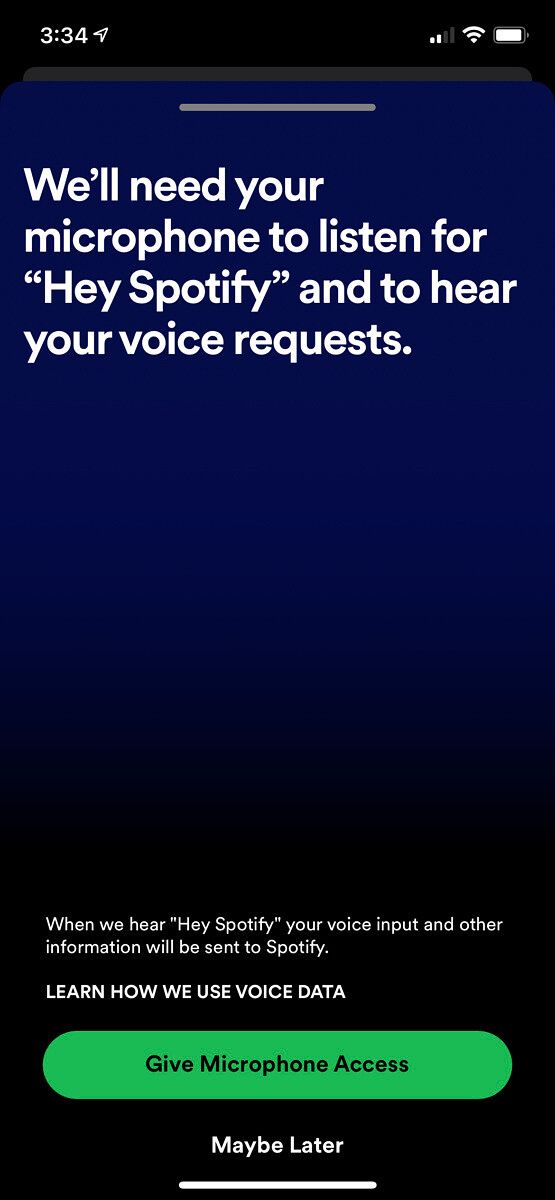
Spotify is rolling out support for a wake word that will give you hands-free control over your music. Just say “Hey Spotify,” followed by the song, artist, album, or playlist you want to play.

The new wake word was first discovered by GSMArena, which accessed the new feature on Android. The website writes they were prompted by a popup explaining how the feature works.

“Enjoy your music anywhere and go hands-free with ‘Hey Spotify,'” a prompt reads. “Introducing the easiest way to keep the beat going.”

Images via the Spotify app on iOS

In addition to being available on Android, “Hey Spotify” support is also rolling out on iOS, too. GSMArena notes that Spotify’s privacy policy for voice data usage says it only holds recordings and transcriptions of the searches you perform when tapping the voice button or saying the wake word. That means it’s always listening.

The new functionality only works when Spotify is open, so you can’t just say “Hey Spotify” when you’re not in the app. In that case you’d have to invoke Alexa, Siri, or Google Assistant to play music via Spotify. Hey Spotify isn’t quite as convenient as calling on your device’s built-in assistant, but anytime we can interact with our phone hands-free, especially while driving, it’s a win in our book.

Spotify has actually been working on a wake phrase for several months now, with app researcher Jane Manchun Wong discovering evidence back in March 2020. On iOS, I was able to turn the feature on by going to Spotify’s Settings > Voice Interactions > Enable Voice. It’s unclear if the feature is available to all Spotify users.

It’s also unclear what Spotify will gain by introducing a wake phrase to its service, although there’s been reports that the streaming service might introduce a dedicated in-car music player.

Spotify: Listen to podcasts & find music you love (Free, Google Play) →

The post “Hey Spotify” is a new wake word to launch music hands-free appeared first on xda-developers.


from xda-developers https://ift.tt/3cUCwsN
via IFTTT

Microsoft puts its beloved MS Paint and Snipping Tool apps on the Microsoft Store

Microsoft is finally putting MS Paint in the Microsoft Store — nearly four years after trying to replace the app with Paint 3D. The change is part of the latest Windows 10 Insider Preview, which also makes its Snipping Tool updatable via the Microsoft Store.

Back in 2017, Microsoft introduced the Windows 10 Fall Creators Update and announced it would no longer actively develop Microsoft Paint. Instead, the company tried to push a replacement called Paint 3D, which featured 3D image manipulation tools as well as 2D image editing. Needless to say, Windows users were not happy with the decision.

Microsoft Paint and Snipping Tools new icons

Microsoft Paint and Snipping Tools icons

Microsoft soon realized the error of its ways and announced it would add MS Paint to the Microsoft Store as a way for everyone to download it for free. It never actually stripped MS Paint from Windows 10, but with the newest Windows 10 Insider Preview, it’s finally making the beloved application updatable via its store.

“MSPaint is now updatable via the Microsoft Store outside major OS updates,” Microsoft said in a blog post. “It also has a new icon and has been promoted out of the Windows Accessories folder to its own place in the Start menu.”

As for Paint 3D, that app will no longer be part of fresh Windows 10 installations. Instead, the app, along with 3D Viewer, will also live on in the Microsoft Store. Speaking of which, Microsoft is also making a Snipping Tool, which has been combined with Snip & Sketch, updatable via the Microsoft Store. That means it’ll be updated outside major OS updates.

The changes are part of the Windows 10 Insider Preview Build 21354, which features new personalization options for news and interests on the taskbar, improvements to display settings, and several bug fixes and enhancements. You can see the full changelog for the release right here.

Paint (Code needed, Microsoft Store) →

The post Microsoft puts its beloved MS Paint and Snipping Tool apps on the Microsoft Store appeared first on xda-developers.


from xda-developers https://ift.tt/2OyCGNg
via IFTTT

Apple expands its “Find My” network to help you locate your third-party accessories

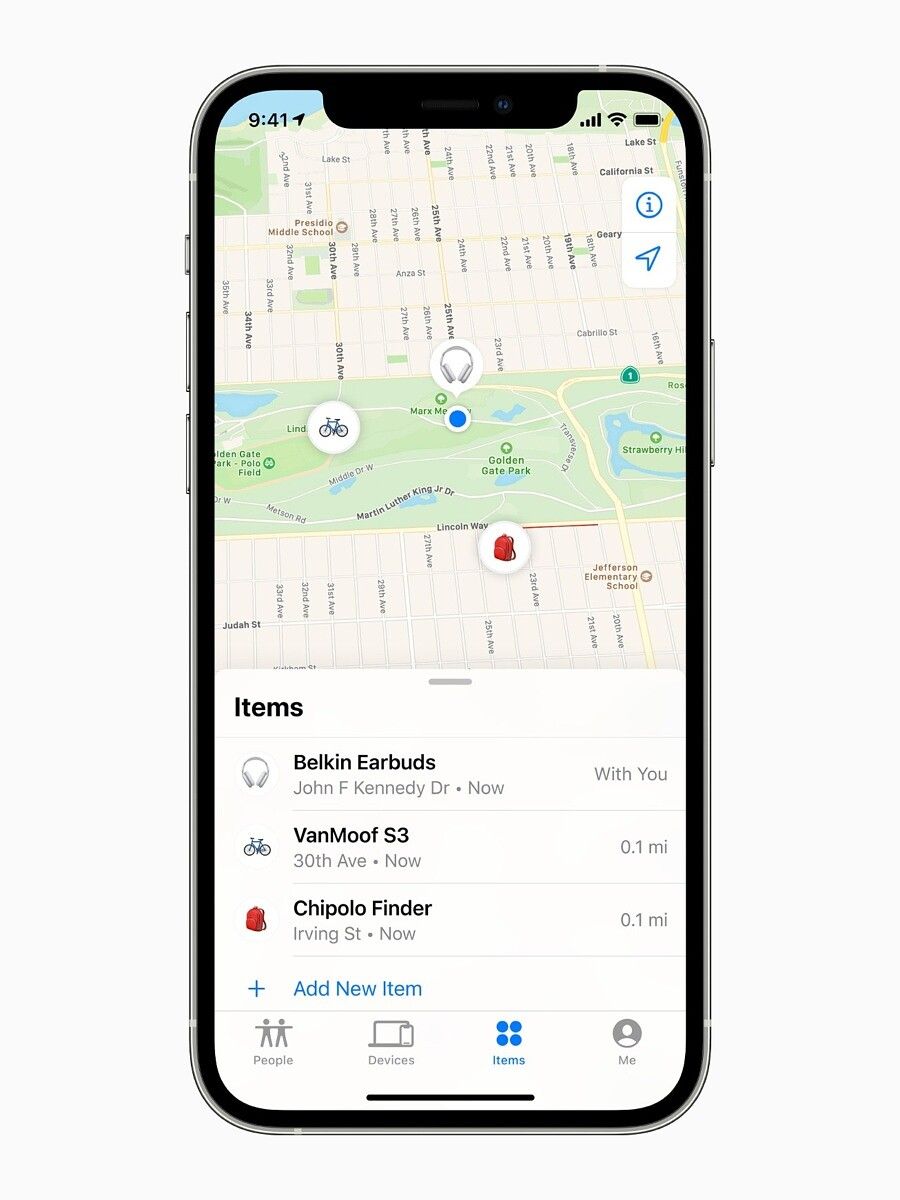
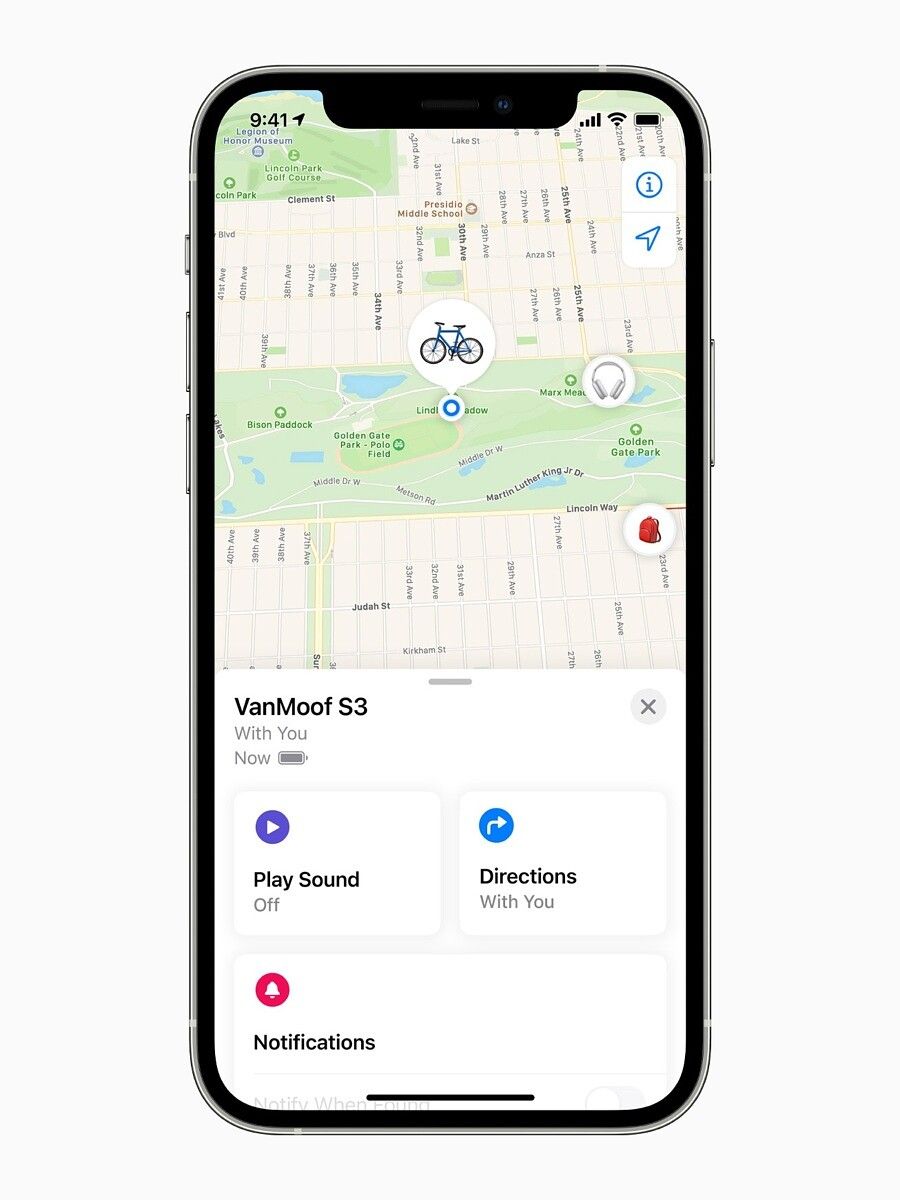
Apple has announced it’s opening its Find My network to third-party companies. The first devices to support Apple’s tracking features are VanMoof’s latest S3 and X3 e-bikes, Belkin’s Soundform Freedom True Wireless Earbuds, and Chipolo’s One Spot item tracker.

By expanding Find My support, any hardware company can introduce devices that support Apple’s network — as long as they adhere to the Made for iPhone (MFi) Program and privacy protections of the Find My network. Third-party products will feature a “Works with Apple Find My” badge and can be added to the new Items tab in the Find My app.

The Find My app allows iPhone, iPad, and Mac users to see all their devices on a map, and even control them remotely, like playing a sound, displaying a message, or erasing it completely. If your device goes offline, users can take advantage of the Find My network’s crowdsourced Bluetooth feature to see a product’s approximate location.

Images via Apple

Additionally, Apple has also announced a draft specification for chipset manufacturers set to be released this spring. The initiative will allow third-party device makers to take advantage of Ultra Wideband (UWB) technology in U1-equipped Apple devices. UWB makes tracking much more precise.

Apple is rumored to be working on a tracking product called AirTags, which is said to feature UWB technology. The Cupertino company recently announced plans to hold its WWDC at the beginning of June, where we could see the product debut. Incidentally, Apple used last year’s WWDC to announce plans to extend its Find My network to third-party companies, and it finally made good on that promise.

It’s unclear what other products will feature Find My support in the future, but the variety is already promising: a bike, headphones, and a location tracker. With WWDC just around the corner, perhaps more partners will be revealed.

The post Apple expands its “Find My” network to help you locate your third-party accessories appeared first on xda-developers.


from xda-developers https://ift.tt/2PZzZ7H
via IFTTT

T-Mobile is giving customers a free 5G phone and unlimited 5G data plans

T-Mobile on Wednesday announced a few different initiatives meant to bring 5G to the masses, including an offer that will give customers a Galaxy A32 5G for free. The carrier announced the news during an online webcast with T-Mobile executives on Wednesday.

According to T-Mobile, everyone in America can trade in any mobile phone and get the Galaxy A32 5G device for free. Samsung announced the device at the start of this year and is now bringing it to customers in the U.S.

The Galaxy A32 5G is the most affordable 5G phone from Samsung, and offers a 6.5-inch HD+ LCD display with a 90Hz refresh rate, MediaTek Dimensity 720 chip, 4GB RAM, 64GB of storage, and a triple camera setup with a 48MP primary sensor. The device also comes equipped with a 5000mAh battery and a side-mounted fingerprint reader.

T-Mobile says you can trade in any phone to take advantage of the offer. When the carrier says “any phone,” it means it.

This offer applies to new and existing customers, and ANY old phone in working condition — flip phone, Sidekick, whatever that suitcase phone was called. T-Mobile will take it. And in exchange, you get a free 5G smartphone after 24 monthly bill credits and pay only the sales tax.

In addition to its free phone offer, T-Mobile also announced the arrival of home internet and a “Great Unlimited Trade-Up” promo. The latter initiative offers AT&T and Verizon customers the opportunity to switch to T-Mobile and get an unlimited 5G plan for the same price or less than what they’re currently paying for a limited 5G plan.

Meanwhile, if you’re an existing T-Mobile postpaid customer, including a former Sprint customer, you’ll be upgraded to an unlimited plan for free.

T-Mobile said that the phone upgrade and unlimited trade-up promos begin April 18 and last all year long.

The post T-Mobile is giving customers a free 5G phone and unlimited 5G data plans appeared first on xda-developers.


from xda-developers https://ift.tt/3cVkCGu
via IFTTT

Google I/O 2021 is a free-to-attend virtual event this year starting May 18th

Google has announced its I/O developer conference will return this year as a virtual event. The show had to be canceled in 2020 due to the COVID-19 pandemic.

Kicking off on May 18 through May 20, the event will give Google an opportunity to showcase Android 12 — plus whatever else the company has in store. The website for Google I/O 2021 is now live, where consumers and developers can register for the event. According to Google CEO Sundar Pichai, this year’s event will be free for everyone.

The virtual event will consist of everything you’d expect from an in-person conference, including consumer and developer-focused keynotes, workshops, AMAs, and more. Google said a full schedule for I/O 2021 will be posted later this month, so stay tuned for that. Technical Sessions and keynotes will be available on-demand after they first air, while registration is required for things like workshops and meetups.

Chances are Google will take time to share more details about Android 12, which was announced back in February. While there’s a lot we still don’t know about the software, we uncovered a lot of changes in the first developer preview, which revealed features like easier WiFi sharing, AVIF image support, and more.

Google is also rumored to be working on more affordable Pixel Buds and the Pixel 5a — both of which could debut at I/O 2021. We’ve seen both devices break cover on more than one occasion over the past several weeks, so an announcement next month seems like a safe bet. We’ll keep a closer eye on these products as the conference gets closer.

Google isn’t the first company to announce a virtual event for this year. Apple has already announced WWDC 2021 will take place at the beginning of June, while E3 is also returning this summer in a virtual format.

As we wait for Google’s event to kick, the search giant is challenging people to solve the I/O 2021 puzzle.

The post Google I/O 2021 is a free-to-attend virtual event this year starting May 18th appeared first on xda-developers.


from xda-developers https://ift.tt/3wznocf
via IFTTT

The Xiaomi Mi 11 Ultra’s brand new 50MP camera can produce DSLR-like bokeh

Last year’s Xiaomi Mi 10 Ultra was my favorite slab phone of 2020, but many consumers in the west were left out because it was a China-only release. That makes this year’s Mi 11 Ultra that much more exciting — it’s going on sale throughout Europe and Asia and packs some new never-before-seen camera tech.

Xiaomi Mi 11 Ultra in ceramic white with its second screen off

Xiaomi Mi 11 Ultra Specifications. Tap/click to show.

Specification Xiaomi Mi 11 Ultra
Build
  • Colors: Ceramic White and Ceramic Black
  • Protection: Corning Gorilla Victus (front), Ceramic (back), IP68 rating for water and dust resistance
Dimensions & Weight 164.3mm x 74.6mm x 8.38mm, 234g
Display
  • Main
    • 6.81″ AMOLED Quad-curved DotDisplay
    • WQHD+ resolution (3200 x 1440), 20:9 aspect ratio, 515 ppi
    • 120Hz refresh rate; AdaptiveSync: 30/60/90/120Hz
    • 480Hz touch sampling rate
    • 1700 nits peak brightness (with HBM and 100% APL)
    • Dolby Vision, HDR10+
    • 360° ambient light sensor, Sunlight mode 3.0, Reading mode 3.0
  • Rear
    • 1.1″ AMOLED screen
    • 126 x 294 resolution, 450 nits peak brightness
    • Always-on-display, notifications alerts, selfie preview
    • Super power saving mode
SoC
  • Qualcomm Snapdragon 888
    • CPU
      • 1x ARM Cortex-X1 @ 2.84GHz
      • 3x ARM Cortex-A78 @ 2.4GHz
      • 4x ARM Cortex-A55 @ 1.8GHz
    • GPU: Adreno 660
    • Samsung’s 5nm (5LPE) manufacturing process
  • Three-phase cooling technology
RAM & Storage
  • 8GB LPDDR5 RAM + 256GB UFS 3.1 storage
  • 12GB LPDDR5 RAM + 256GB UFS 3.1 storage
  • 16GB LPDDR5 RAM + 256GB UFS 3.1 storage
Battery & Charging
  • 5,000mAh battery
  • 67W wired turbo charging
  • 67W wireless turbo charging
  • 10W reverse charging
Security
  • In-screen fingerprint reader
  • AI face unlock
Rear Cameras
  • Primary:
    • 50MP Samsung ISOCELL GN2, f/1.95, 85 ̊ FOV, 1/1.12″ sensor size, 1.4μm 4-in-1 to 2.8μm, 8P lens
    • OIS, dToF laser focus
    • Dual Pixel Pro, Dual Native ISO Fusion, Staggered-HDR
  • Ultra-wide:
    • 48MP, f/2.2, 128° FOV, 1/2.0″ sensor size, 0.8μm 4-in-1 to 1.6μm, 7P lens
    • PDAF
    • Macro shooting
  • Telephoto:
    • 48MP, f/4.1, 1/2.0″ sensor size, 0.8μm 4-in-1 to 1.6μm
    • 5x optical zoom, 10x hybrid zoom, 120x digital zoom
    • OIS, PDAF
  • Video: 8K video recording and night mode from all 3 cameras
Front Camera 20MP, f/2.2, 78° FOV, 0.8μm 4-in-1 to 1.6μm, fixed-focus
Port
  • USB Type-C
  • No 3.5mm headphone jack
Audio & Vibration
  • Dual speakers
  • Sound by Harmon Kardon
  • Hi-Res Audio Certification
  • X-axis linear vibration motor
Connectivity
  • Qualcomm Snapdragon X60 4G LTE and 5G integrated modem
    • 5G: n1/n3/n5/n7/n8/n20/n28/n38/n40/n41/n77/n78/n79
    • 4G: LTE FDD: B1/2/3/4/5/7/8/12/17/20/28/32/66
    • 4G: LTE TDD: B38/40/41/42
    • 3G: WCDMA: B1/2/4/5/8
    • 2G: GSM: 850 900 1800 1900 MHz
  • Dual SIM, Dual 5G standby
  • Bluetooth 5.2
  • Wi-Fi 6E
  • NFC and IR blaster
Software MIUI 12 based on Android 11

About this hands-on: We received a Mi 11 Ultra from Xiaomi on April 6. Xiaomi did not have any input in this article.

Xiaomi Mi 11 Ultra design and hardware

The first thing anyone will notice about the Xiaomi Mi 11 Ultra is the absolutely massive camera module, which isn’t so much a bump but an entire island onto itself. It protrudes out of the device’s ceramic back more so than even the S20 Ultra‘s notoriously large hump. Surprisingly, despite the top-heavy build, the Mi 11 Ultra can still stand vertically on its own due to the flat bottom (the top is flat too).

The Xiaomi Mi 11 Ultra camera module is huge

Xiaomi Mi 11 Ultra camera bump from the side You can see the Mi 11 Ultra's camera bump even from the side The Mi 11 Ultra's 6.8-inch display with quad curves The bottom of the Mi 11 Ultra is flat.

Much like the Mi 11, the Mi 11 Ultra’s screen is a 3200 x 1440 resolution, 120Hz OLED panel that’s curved on four sides — left, right, top and bottom. To my eyes, the screen looks every bit as vibrant and bright as the Galaxy S21 Ultra’s screen. However, the panel can only switch between 120Hz or 60Hz, which is not as versatile as other recent Android flagships.

Inside the Xiaomi Mi 11 Ultra is a Qualcomm Snapdragon 888 chip paired with 256GB of UFS 3.1 storage and either 8GB, 12GB, or 16GB of LPDDR5 RAM. The 5,000 mAh battery can be charged wired or wirelessly at 67W speeds. From my brief testing, the 67W charging brick (included with the packaging) can add 22% juice in ten minutes.

Xiaomi Mi 11 Ultra cameras and second screen

Back to that gigantic camera island — it’s so big because it packs some top-end, fresh-off-the-assembly-line camera components, and even a weird secondary screen.

The Xiaomi Mi 11 Ultra's camera module with the second screen on

This 1.1-inch, 126 x 294 secondary display has two uses (at least as far as I can tell after just a day with the phone): It can serve as a camera viewfinder so the user can take selfies with the main camera system, and the screen can display the time, notifications, and music controls.

I don’t really see much point in controlling my Spotify playlist via the back of the phone, but I can see selfie lovers absolutely loving the ability to take selfies with the main and ultra-wide cameras because they’re very good sensors. Unfortunately, this only works with still photos: the Xiaomi Mi 11 Ultra’s second screen cannot show the viewfinder for videos, so vloggers hoping to be able to see themselves while shooting are out of luck.

Let’s talk about those cameras. There’s the 50MP main camera, which uses Samsung’s brand new ISOCELL GN2 sensor. It features a jaw-dropping 1/1.12″ sensor, easily the largest in the mobile industry right now. The sensor being so large results in natural, creamy bokeh in close up photos.

A sample image of a drink taken by the Mi 11 Ultra's main camera A sample image of a flower taken by the Mi 11 Ultra's main camera The Mi 11 Ultra's sensor is so large, there's a natural depth-of-field effect in still photos A sample image of a drink taken by the Mi 11 Ultra's main camera

And it can pull in a lot of light in extremely dark scenes. In fact, the Xiaomi Mi 11 Ultra produced the sharpest and least noisy night mode shot when compared to the Galaxy S21 Ultra and iPhone 12 Pro.

Dark shot captured by iPhone 12 An extreme low light shot captured by the Mi 11 Ultra An extreme low light shot captured by the iPhone 12 Pro An extreme low light shot captured by the S21 Ultra

The main camera also captures excellent dynamic range in photos and videos. The below set of photos was purposefully taken directly facing the harsh sunlight, but the Xiaomi Mi 11 Ultra’s camera still produced balanced shots with just enough contrast.

Excellent dynamic range in a shot captured by the Mi 11 Ultra The Mi 11 Ultra's main camera captures great dynamic range Mi 11 Ultra capturing a building Mi 11 Ultra main camera sample


The ultra wide-angle camera also got a big jump over the Mi 11. It’s now a 48MP ultra-wide lens that can capture 128° FoV, and it’s closer in quality to the main camera than previous Xiaomi phones. This trick — making the ultra-wide angle camera closer in pixel count to the main camera — is one we’ve seen from Huawei, OPPO, OnePlus, and Vivo phones, so it’s good to see Xiaomi also jump on board.

Xiaomi Mi 11 Ultra ultra-wide angle photo of a Chinese temple An ultra-wide angle image with the Mi 11 Ultra's camera. Xiaomi Mi 11 Ultra ultra-wide angle photo of a Chinese stall Xiaomi Mi 11 Ultra ultra-wide angle photo of a bulldozer

Finally, there’s the Periscope zoom lens, a 48MP sensor that can produce 5x optical zoom and max out at 120x digital zoom. On paper, this zoom lens falls short of what Samsung’s and Huawei’s 10x optical can do, but the actual results are close.

A standard photo captured by the Mi 11 Ultra 10x zoom image with the Mi 11 Ultra S21 Ultra zooming 10x Huawei Mate X2 zooming 10x

Even though the Xiaomi Mi 11 Ultra can get up to 120x zoom, the resulting shots are blurry as is the case with other phones’ max digital zoom. Instead, keep zooming between 5x to 20x if you want to enjoy very usable, sharp images.

Mi 11 Ultra 1x shot 5x zoom with the Mi 11 Ultra Mi 11 Ultra 10x zoom shot

MIUI 12 based on Android 11

The Xiaomi Mi 11 Ultra runs on MIUI version 12 over Android. The software experience is fast and responsive with whimsical animations. MIUI does, however, still have this one nagging flaw that is particularly problematic here: There is no way to activate one-hand mode if you’re using swipe gesture navigation (it’s only available if the phone is using on-screen navigation buttons).

MIUI 11 screenshot MIUI 11 screenshot MIUI 11 screenshot MIUI 11 screenshot

For other Xiaomi phones, I can make do without a one-hand mode, but the Mi 11 Ultra is a huge phone. I can already picture myself struggling to type with one hand as I’m out around town with a bag of groceries in my other hand.

Battery life and charging

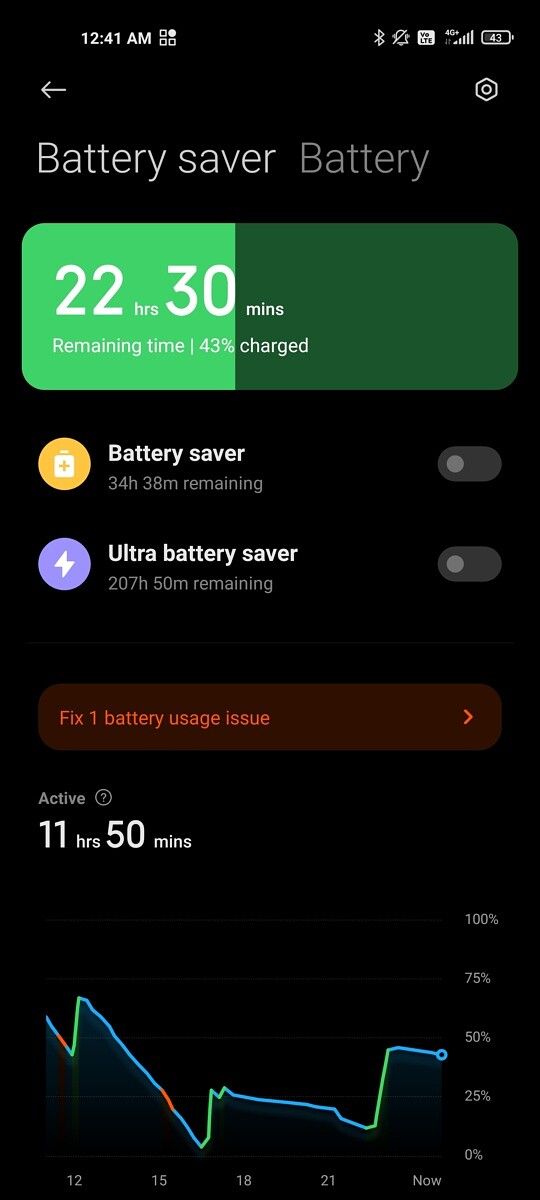
I have only tested the phone for a day, but I can already tell the Mi 11 Ultra’s 5,000 mAh cell won’t be enough to power the phone all day for me if I set the display to both WQHD+ resolution and 120Hz refresh rate. Today, in just four hours of being out, I drained the phone from 65% to 14%. Now to be fair, I tested the phone heavily over the four hours, recording a dozen videos, snapping 50-60 photos, streaming 30 minutes of Spotify, and setting the screen brightness on max because it was a very sunny day.

At least the silver lining is that the Xiaomi Mi 11 Ultra charges very fast wired or wirelessly, and a 67W charger is included in the box.

Xiaomi Mi 11 Ultra early impressions: the main camera is truly impressive

There was a lot of hype surrounding the Mi 11 Ultra’s camera, which Xiaomi says was developed in collaboration with Samsung. So far, after a day of heavy testing, the camera seems to live up to its hype. The natural bokeh adds a professional vibe to photos that other smartphones have to artificially create using software (although, to be fair, Google does a fine good job of that with the Pixel phones).

The Mi 11 Ultra’s zoom lens is also the best zoom system Xiaomi has used yet, and can mostly hold its own against Samsung’s and Huawei’s best.

The Xiaomi Mi 11 Ultra and the Galaxy S21 side by side

At around €1200 ($1,425) for the 12GB RAM model, the Mi 11 Ultra is Xiaomi’s most expensive smartphone ever, but I think Xiaomi has done enough to justify this premium pricing. There’s not much missing in the Mi 11 Ultra (it even has IP68 water resistance for the first time in a Xiaomi flagship).

In China, the device starts at a cheaper ¥5599 (~$915), but that model only has 8GB of RAM and will run a less polished (for western tastes) Chinese version of MIUI.

The post The Xiaomi Mi 11 Ultra’s brand new 50MP camera can produce DSLR-like bokeh appeared first on xda-developers.


from xda-developers https://ift.tt/3fNKx4z
via IFTTT