LightBlog

jeudi 11 juin 2020

Don’t install Android 11 Beta if you use Google Pay

After months of developer previews, Google released Android 11 Beta 1 yesterday, making the new version of Android available for more people to easily test. The beta releases are generally more stable than the developer previews, but they are still beta releases. There are always a few little quirks and Android 11 Beta 1 has an issue with Google Pay.

Google Pay is a particularly fragile app when it comes to developer previews and beta releases. The app is responsible for holding sensitive payment information, so security is naturally a very high priority. Early versions of Android often don’t have the appropriate security measures in place to support Google Pay and that’s the case with Android 11 Beta 1.

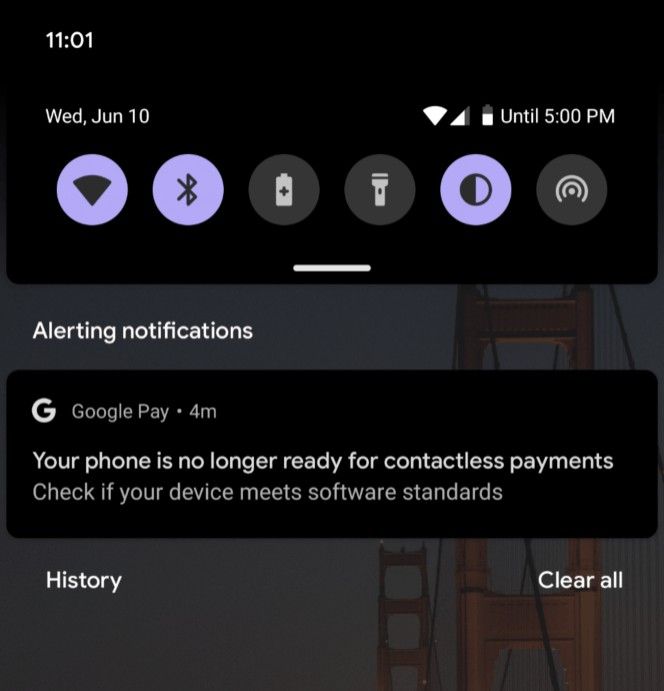
Google Pay actually worked with Android 11 Developer Preview 4, but it’s not working with the first beta. Setting it up for the first time on a fresh install will fail when verifying a new card for in-store payments. If the device already had Google Pay set up before installing the beta, it will work for a while and then it will be cut off with a notification saying “Your phone is no longer ready for contactless payments.”

If you’ve used Android betas before you know this is a pretty common occurrence, but it’s especially a bummer with Android 11. One of the new features is the revamped power menu with Google Pay support. That’s the price you pay for using beta software, though. We hope to see Google fix this problem in future Android 11 beta releases. Have you run into any other problems with the beta?

Android 11 News on XDA


Source: Reddit | Via: 9to5Google

The post Don’t install Android 11 Beta if you use Google Pay appeared first on xda-developers.


from xda-developers https://ift.tt/30vHfLF
via IFTTT

Intel details its new Lakefield processors designed to challenge ARM

Intel has long been an afterthought in mobile. The company’s mobile Atom SoC business showed promise back in 2015 with the launch of the ASUS ZenFone 2, but it was then cancelled in 2016. The modem business was derided for being technologically inferior to Qualcomm’s modems. Intel gained its first big break when Apple became its highest profile customer for modems, solely using them in the iPhone, but in 2019, Qualcomm and Apple reached a settlement in their legal disputes. Intel, therefore, was left with no option but to discontinue its mobile modem business, which was then sold to Apple, ironically enough. Right now, Intel has no involvement in the smartphone space, either when it comes to smartphone SoCs or modem chips. However, the company has continued its pursuits in low voltage chips designed to power 2-in-1 devices, laptops, foldable devices, and more. Intel’s Core M, which was re-branded into the Core Y series, is still used in laptops such as the Apple MacBook Air. Now, Intel has revealed more details about its upcoming “Lakefield” chips, which are not Atom chips and not purely Core chips (although they will be branded as part of the “Intel Core” lineup). They can be viewed as the successor of the Core M/Core Y-series philosophy, and are designed to solidify Intel’s leadership position against ARM in the ultra-mobile device space.

Intel has been teasing Lakefield chips since the past year, but the chips were only formally launched on Wednesday. Lakefield is Intel’s first hybrid CPU program (think Intel’s equivalent of ARM’s big.LITTLE and DynamIQ concepts of multi-cluster computing). The Lakefield program leverages Intel’s Foveros 3D packaging technology and features a hybrid CPU architecture for power and performance scalability. Intel says Lakefield processors are the smallest to deliver Intel Core performance and full Windows compatibility across productivity and content creation experiences for ultra-light and innovative form factors. (The “full Windows compatibility mention” is a shot fired across at Qualcomm, whose Snapdragon 8c and 8cx SoCs use emulation to use Win32 software on Windows.)

The Intel Core processors with Intel Hybrid Technology deliver full Windows 10 application compatibility in up to a 56% smaller package area for up to 47% smaller board size and extended battery life, according to Intel. This provides OEMs more flexibility in form factor design across single, dual, and foldable display devices. The Lakefield processors are the first Intel Core processors shipping with attached package-on-package memory (PoP), which further reduces board size. They are also the first Core chips to deliver as low as 2.5mW of standby SoC power, which is an up to 91% reduction compared to the Y-series chips. Finally, they are the first Intel processors to feature native dual internal display pipes, which Intel says makes them “ideally suited” for foldable and dual-screen PCs.

Intel LakefieldThe first announced designs powered by the Lakefield processors include the Lenovo ThinkPad X1 Fold, which was announced at CES 2020 with the world’s first folding OLED display in a PC (it will cost $2,499). It’s expected to ship later this year. The Samsung Galaxy Book S is expected to be made available in select markets starting this month. The Microsoft Surface Neo, a dual-screen device that is due for shipping in Q4 2020, is also powered by the Lakefield platform.

The Lakefield processors will be branded as part of the Intel Core i5 and i3 series with Intel Hybrid Technology. They have a 10nm Sunny Cove core (this is the same microarchitecture that powers Ice Lake and the upcoming Tiger Lake), which will be used for more intense workloads and foreground applications, while four power-efficient Tremont cores (that usually power Atom chips) are used for less intense tasks. Both processors are fully compatible with 32-bit and 64-bit Windows applications, but as AnandTech notes, they use different instruction sets. Both set of cores will have access to a 4MB last level cache.

The Foveros 3D stacking technology enables the Lakefield processors to achieve a significant reduction in package area. It’s now only 12x12x1 mm, which Intel notes is approximately the size of a dime. The reduction is achieved by stacking two logic dies and two layers of DRAM and three dimensions. This also eliminates the need for external memory.

With multi-core CPUs of different architectures, scheduling becomes an important topic. Intel says the Lakefield platform uses hardware-guided OS scheduling. This enables real-time communication between the CPU and the OS scheduler to run the right apps on the right cores. Intel says the hybrid CPU architecture delivers up to 24% better performance per SoC power and up to 12% faster single-threaded integer compute-intensive application performance. All of these comparisons are with respect to Intel Core i7-8500Y, which is a 14nm Amber Lake Y series Core i5 chip.

The Intel UHD Graphics has a more than 2x throughput for AI-enhanced workloads. Intel says its flexible GPU engine compute enables sustained high-throughput inference applications that include analytics, image resolution upscaling, and more. Compared to the Core i7-8500Y, the Lakefield platform delivers up to 1.7x better graphics performance. The Gen11 graphics here delivers the biggest leap in graphics for 7W Intel chips. Videos can be converted up to 54% faster, and there is support for up to four external 4K displays. Finally, the Lakefield chips support Intel’s Wi-Fi 6 (Gigabyte+) and LTE solutions.

There will be two Lakefield processors available at first in the form of the Core i5-L16G7 and the Core i3-L13G4. The differences between the two can be seen in the table below. The i5 has more graphics Execution Units (EUs): 64 vs. 48. The grahics maximum frequency is capped at up to 0.5GHz (much lower than Amber Lake’s 1.05GHz), which suggests that Intel is going wide and slow to boost performance while keeping power requirements in check at the same time. Both of them have the same TDP at 7W. The i5’s base frequency is 1.4GHz, while the i3 has a measly 0.8GHz base frequency. The max single core turbo frequency (applicable only for the Sunny Cove core) is 3.0GHz and 2.8GHz for the i5 and the i3 respectively, while the max all core turbo frequency is 1.8GHz and 1.3GHz respectively. Presumably, Intel is relying on Sunny Cove’s increased IPC over Skylake to offset these low clock speeds. Keep in mind there is only one “big” core (in comparative) terms, so don’t expect these ultra-mobile chips to compete with regular U series chips found in the Ice Lake, Comet Lake, and Tiger Lake platforms. The memory support is LPDDR4X-4267, which is incidentally higher than Ice Lake.

Processor Number Graphics Cores / Threads Graphics (EUs) Cache TDP Base Freq (GHz) Max Single Core Turbo (GHz) Max All Core Turbo (GHz) Graphics Max Freq (GHz) Memory
i5-L16G7 Intel UHD Graphics 5/5 64 4MB 7W 1.4 3.0 1.8 Up to 0.5 LPDDR4X-4267
i3-L13G4 Intel UHD Graphics 5/5 48 4MB 7W 0.8 2.8 1.3 Up to 0.5 LPDDR4X-4267

AnandTech was able to provide more detail on the Lakefield chips. Supposedly, Intel told the publication that the Lakefield chips will use the Tremont cores for almost everything, and only call on the Sunny Cove core for user-experience type of interactions, such as typing or interacting with the screen. This is different from what Intel is stating in its news release. The Foveros technology means that the logic areas of the chip, such as the cores and the graphics, are placed on a 10+ nm die (the same process node that Ice Lake is fabricated on), while the IO parts of the chip are on a 22nm silicon die (the same process node that Ivy Bridge and Haswell were fabricated on, more than half a decade ago), and they are stacked together. How will the connections work between the cores? Intel has enabled 50-micron connection pads between the two disparate silicon pieces, along with power-focused TSVs (through silicon vias) to power the cores on the top layer.

Overall, the Lakefield platform seems promising. The biggest flaw of Intel’s low-power chips has been that up until now, they have been priced too expensive. It doesn’t seem that this will be changing with Lakefield, but at least consumers will get to expect new types of PCs such as the aforementioned first three devices powered by Lakefield. At least for now, Intel remains dominant in PC because of the overwhelming advantage of app support, and announcements such as Lakefield mean that ARM and Qualcomm will need to keep iterating to overcome Intel’s intrinsic instruction set advantage.


Sources: Intel, AnandTech

The post Intel details its new Lakefield processors designed to challenge ARM appeared first on xda-developers.


from xda-developers https://ift.tt/37kMdfL
via IFTTT

A 4G LG Velvet is launching in some regions with the 2-year old Qualcomm Snapdragon 845

The LG Velvet was recently announced after a heated period of rumors and leaks, as well as teasers from LG themselves. While we were expecting LG to release the LG G9, that did not happen. Instead, LG’s only 2020 flagship is the LG V60, while the LG Velvet is taking the LG G series’s place this year. It’s 5G-capable thanks to the Snapdragon 765G processor, and since it’s not a high-end flagship, it’s supposed to be cheaper, but only barely: at an estimated ~$700, it’s still on the expensive end of the market. LG might be making it even cheaper using a weird, but straightforward method: swapping the Snapdragon 765G for the Snapdragon 845.

Yes, this is the 2-year-old Snapdragon 845. LG first used this former flagship SoC on the LG G7, and the company is planning on reusing the same on the LG Velvet. LG is no stranger to using older SoCs: the LG G6 in 2017 used the Snapdragon 821, as a matter of fact. Now, though, before you go and fire your hate comments towards LG, keep in mind that this decision isn’t entirely unjustified. The Snapdragon 845 is actually the closest 4G relative to the Snapdragon 765 and 765G: it has roughly the same CPU performance, and the Snapdragon 845 actually still has an edge in GPU performance. It also doesn’t have 5G and, being an older SoC, it’s way cheaper for LG to use that instead of the current Snapdragon 765/G.

Qualcomm Snapdragon 865 Benchmarks: Comparing CPU and GPU Performance with the Kirin 990, Snapdragon 855, and Snapdragon 845

The Snapdragon 845 still has some disadvantages, though, particularly in efficiency (the 845 is 10nm, the 765 is 7nm) and potentially updates down the road as the Snapdragon 845 is pretty old and getting older. But LG did not really care much about updates anyway.

This version of the LG Velvet first popped up in the Middle East, particularly in Iran, where 5G is not a thing yet. But this version of the phone may be headed to other 5G-less markets as well, such as Brazil, as it was also reported that Anatel, the Brazilian wireless regulator, recently certified the device (codenamed LM-G910). This version will also be at least 20% cheaper than its SD765G-powered counterpart: the ~$700 price point would then be brought down to under $600, which is much easier to digest (albeit still a little bit expensive as you can get 2018 flagships with the Snapdragon 845 for much less).


Source: toranji.ir (Persian)
Via: GSMArena

The post A 4G LG Velvet is launching in some regions with the 2-year old Qualcomm Snapdragon 845 appeared first on xda-developers.


from xda-developers https://ift.tt/3cUxp8C
via IFTTT

ZTE’s budget Blade A3 Prime smartphone launches on Verizon-owned Visible and Yahoo Mobile for $99

The budget smartphone market is different for every region across the world, as this segment is fine-tuned to the region on the basis of the local laws and regulations, local consumer needs and wants, and the actual cost of releasing and selling products. So while markets like India have no dearth of options at the entry-level, consumers in markets like the USA do have to make a calculated choice. ZTE is now adding a viable option at the entry-level for users in the USA, as it launches the ZTE Blade A3 Prime on Visible and Yahoo Mobile.

ZTE Blade A3 Prime: Specifications

Specification ZTE Blade A3 Prime
Dimensions and Weight
  • 147 x 71 x 9 mm
  • 140g/4.94oz
Display
  • 5.45″ HD IPS LCD;
  • 18:9 aspect ratio
  • 1440 x 720
  • 295ppi
SoC MediaTek Helio A22 — MTK6761 Quad-Core SoC, clocked at 2GHz
RAM and Storage
  • 2GB + 32GB;
  • Expandable through microSD card slot
Battery & Charging 2,660 mAh battery
Rear Camera 8MP, f/2.0, 1.12µm pixels
Front Camera 5MP, f/2.4, 1.12µm pixels
Other Features
  • 3.5mm headphone jack
  • Bluetooth 4.2 LE
  • USB Type-C
  • Wi-Fi a/b/g/n/ac – 2.4GHz/5GHz
  • Rear fingerprint scanner
  • Bands:
    • LTE: B13/4/2/5/12
    • LTE: CAT4
    • GSM: Quad
    • UMTS: B1/2/5/8
Android Version Android 10

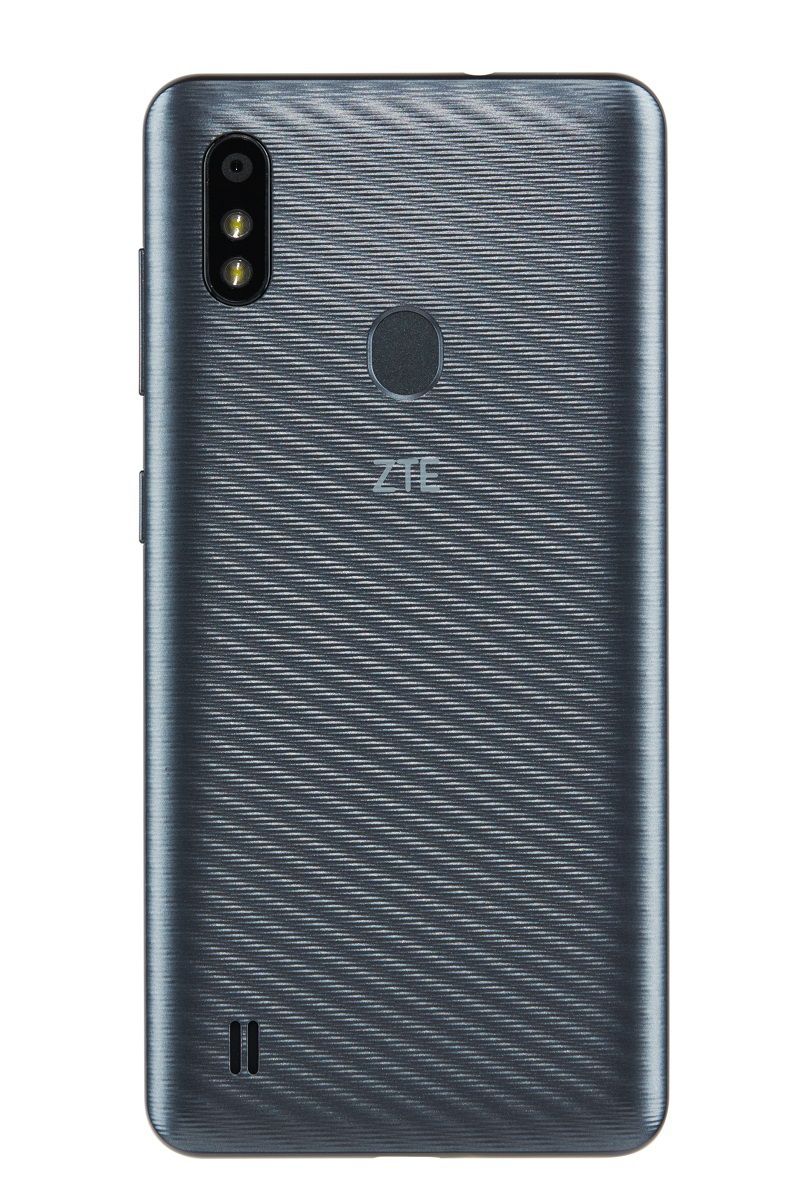
The ZTE Blade A3 Prime is strictly an entry-level device. Everything about this device is modest, which is okay for a device on this end of the spectrum as the low price balances out the shortcomings. ZTE has given the device a basic look, and it actually manages to stand out from the sea of hole-punches, pop-ups, and notches by adopting a comfortable bezel on the top and bottom.

The phone is as humble inside as it is outside. What did stand out was the texture on the back, the rear-facing speaker, and the curious addition of dual-LED flash on the back of the device. The phone has a single rear camera, but two LED flash modules, for some reason.

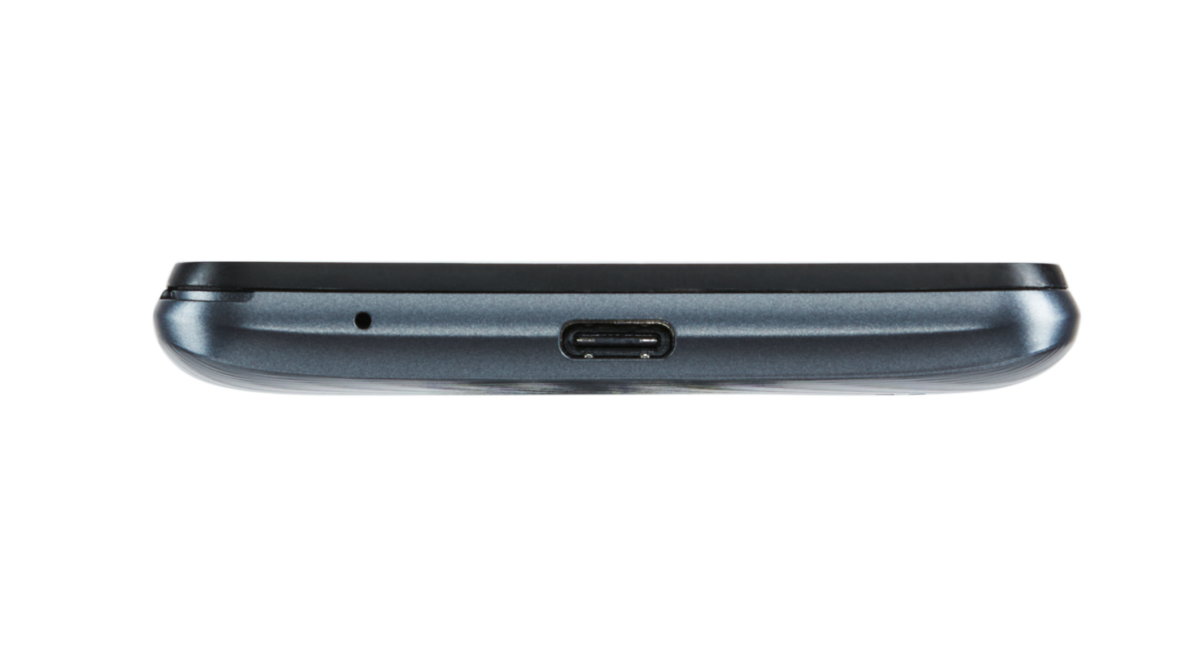
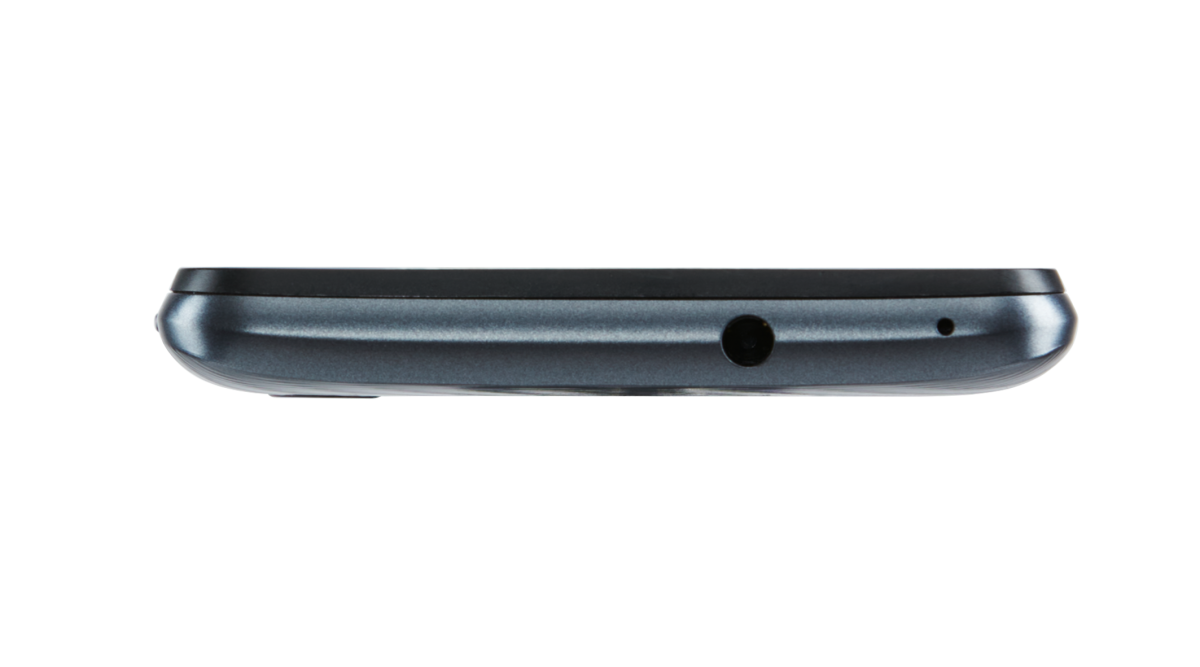
Thankfully though, the phone retains the 3.5mm headphone jack and even opts for a USB Type-C port for charging. It even comes with Android 10 out of the box.

Pricing and Availability

The ZTE Blade A3 Prime will launch with Visible and Yahoo Mobile. It will join the Blade 10 Prime and Blade A7 Prime lineup. The Blade A3 Prime will be available for MSRP $99 with both carriers, and free on Visible with their SWAP program.

Both Yahoo Mobile and Visible are wireless carriers operated by Yahoo, which was purchased by Verizon back in 2016. Spinoff carriers like Yahoo Mobile and Visible let Verizon diversify its business and test out new ways of selling wireless services.

The post ZTE’s budget Blade A3 Prime smartphone launches on Verizon-owned Visible and Yahoo Mobile for $99 appeared first on xda-developers.


from xda-developers https://ift.tt/2UA04cX
via IFTTT

Xiaomi Mi 10, Mi 10 Pro, POCO F2 Pro to get Android 11 Beta with MIUI soon

Google has released the first Android 11 Beta, enabling not just developers but also curious users to try their hands at the upcoming version of Android. Clearly, the first Android 11 Beta is far from the final release candidate build, but it is much more stable as a daily driver than the previous Developer Preview builds. Although the beta build is currently limited to Google’s own lineup of Pixel devices, many other manufacturers are likely to follow in the footsteps and release Android 11 betas for their devices – just like OPPO announced the Android 11 Beta for the Find X2 and the Find X2 Pro flagship smartphones. Now, Xiaomi has confirmed that the Xiaomi Mi 10 (review), Mi 10 Pro (unboxing & hands-on), and the POCO F2 Pro will also be getting Android 11 Beta builds.

Xiaomi Mi 10 Forums ||| Xiaomi Mi 10 Pro Forums 

Curiously, the announcement for the Mi 10 series comes from the official Twitter handle of MIUI – Xiaomi’s custom Android skin – instead of Xiaomi’s own handle. This makes it more than evident that the upcoming beta release for the Mi 10 series will run with MIUI on top. Similarly, OPPO had also confirmed that the Android 11 Beta for the Find X2 series will come with the company’s custom Android skin i.e. ColorOS on top.

Alongside MIUI, Xiaomi’s spin-off brand POCO has also announced the Android 11 Beta for its recently announced flagship – the POCO F2 Pro, which is a rebranded Redmi K30 Pro.

Neither Xiaomi, nor POCO, nor OPPO have clearly mentioned the versions of their respective custom overlays that will be part of the Android 11 beta program. Thus, we cannot confirm whether the beta from Xiaomi involves the older MIUI 11 or the very recently introduced MIUI 12, which is currently in the beta testing phase itself.

Download the MIUI 12 Closed Beta for Xiaomi and Redmi devices

The support for custom Android skins, however, is a new and interesting initiative since previous Android beta builds (for Android P and Q) were simply AOSP-based versions i.e. came with stock Android interfaces, overriding the software experience manufacturers usually offer.

Android 11 News on XDA

The post Xiaomi Mi 10, Mi 10 Pro, POCO F2 Pro to get Android 11 Beta with MIUI soon appeared first on xda-developers.


from xda-developers https://ift.tt/2zmEm4I
via IFTTT

Twitter tests Tweet Reactions and a prompt to get users to actually read articles before retweeting

Twitter jumped on the emoji reaction bandwagon earlier this year in January when it rolled out support for emoji reaction in direct messages. The feature works a lot like the emoji reactions on Facebook and Messenger, allowing users to react to messages with one of seven different emoji. Now, according to a recent tweet from Jane Manchun Wong (@wongmjane), Twitter has started testing emoji reactions for tweets.

As you can see in the attached image, the feature will allow users to react to tweets with a couple of different emoji, including the 100points emoji, face with tears of joy, no entry sign, surprised face, and the folded hands emoji. Currently, we have no information if the feature will launch only with the aforementioned emoji or if it’ll include more options. It’s worth noting that Twitter isn’t the only platform to introduce the emoji reaction feature this year. Just a few weeks ago, Google also added a similar feature for RCS conversations on the Messages app.

Along with the emoji reactions feature, Twitter is adding an experimental prompt on the Android app which will show up whenever a user retweets an article without opening it on Twitter. The idea behind the prompt is to promote informed discussion on the platform and get users to actually read the article they’re tweeting.

For the feature to work, Twitter will check if a user has clicked on the article link on the platform, but not elsewhere. Users will still be able to dismiss the prompt and tweet the article without clicking on the link first. In response to a comment on the tweet, the company also clarified that it won’t be testing ad products with the prompts.

The post Twitter tests Tweet Reactions and a prompt to get users to actually read articles before retweeting appeared first on xda-developers.


from xda-developers https://ift.tt/2MOGdCy
via IFTTT

[Update: Widely Available] Your Phone app on Windows 10 tests controlling music playback on your Android device

Update 1 (06/11/2020 @ 05:32 AM ET): Music controls on Your Phone app are now widely rolling out. Scroll to the bottom for more information. The article as published on April 29, 2020, is preserved below.

If you have a Windows 10-powered computer, the Your Phone app can prove to be pretty useful: it allows for integrating your computer and your phone, allowing you to call people, message people, see notifications, and much more. The app is also constantly updated by Microsoft to further improve this integration and make it more seamless. Microsoft is now going to include a feature for controlling your phone’s music playback right from your computer.

The feature would allow you to control music currently streaming from your phone, whether we’re talking about locally downloaded music or streaming apps like Spotify, YouTube Music, or Apple Music, without needing to take away attention from your workflow or having to pick up your phone. Tracks, titles, and album art will remain synced between your computer and your phone, and you’ll be able to skip tracks, pause and resume music, and more. You can also change the music source right from your computer by using the dropdown menu in the audio player.

In order to use this feature, you’ll need a PC running Windows 10 (October 2018 update or later), an Android Phone running Android 7.0 Nougat or later, and an app that supports music controls (so pretty much any modern music streaming/playback app). Additionally, whatever music player you’re using must have notifications enabled since that’s what the Your Phone app will be using for controlling music.

The feature in its current state still has a couple of bugs and issues, such as the fact that the “back” button can either do the previous track or rewind track depending on the app. Additionally, YouTube video controls and Audible are currently not supported by this feature.

The feature is currently rolling out right now to people using Windows Insider builds, so it is possible that it will take a few days to show up in the Your Phone app on your computer.

Source: Windows Blog


Update: Music Controls now widely rolling out on the Your Phone app

The Music Control functionality within the Your Phone app is now widely rolling out to all Android users.

Your Phone Companion - Link to Windows (Free, Google Play) →

The post [Update: Widely Available] Your Phone app on Windows 10 tests controlling music playback on your Android device appeared first on xda-developers.


from xda-developers https://ift.tt/2W9B10r
via IFTTT