LightBlog

vendredi 27 mars 2020

Huawei Watch GT 2e announced with Sp02 monitoring, 1.39″ AMOLED display, 2 week battery life

Following the launch of its latest flagship P40 series, Chinese smartphone manufacturer Huawei has now announced a new smartwatch — the Huawei Watch GT 2e. The new smartwatch closely follows the design of the Huawei Watch GT 2 from last year and features a circular dial with a concealed crown that gives it a more minimal, yet sporty look. The smartwatch features the same 1.39-inch AMOLED touch display with a 454x454p resolution, however, the bezels are relatively thicker which makes the GT 2e slightly larger overall.

Along with the changes to the main dial, the Huawei Watch GT 2e also features an integrated TPU wrist band which has perforations to improve breathability. The watch body is crafted with stainless steel and is rated at 5 ATM of water resistance. Much like the Huawei Watch GT 2, the Watch GT 2e is powered by Huawei’s in-house Kirin A1 chipset that claims to offer up to 2 weeks of battery life on a single charge.

In case you use GPS tracking for exercises however, the watch can last a total of 30 hours. Interestingly, you can also use the watch to listen to music over Bluetooth and it has 4GB of onboard storage that will allow you to store about 500 songs, but the feature will further limit the battery life to just 24 hours.

Geared towards sports enthusiasts, the Huawei Watch GT 2e can track over 100 different sports and exercises, including everything from skateboarding to rock climbing. On top of that, the watch also features a SpO2 sensor that will help you calculate your VO2Max. Thanks to this the watch is also capable of monitoring aerobic and anaerobic workouts. The Huawei Watch GT 2e will be available in four color variants, namely Graphite Black, Lava Red, Mint Green, and Icy White, at a price of €200 (~$220). Along with the new sports-centric smartwatch, the company also launched a new color variant for the Huawei Watch GT 2 42mm — Champagne Gold — which has been priced at €230 (~$254). As of now, Huawei has released no information about the availability of the new smartwatches.

The post Huawei Watch GT 2e announced with Sp02 monitoring, 1.39″ AMOLED display, 2 week battery life appeared first on xda-developers.


from xda-developers https://ift.tt/3byIImV
via IFTTT

Wireless Android Auto is now supported in most of Europe, India, Australia, and more

Android Auto is basically a way to mirror/extend certain apps from a smartphone in a driver-friendly format to a compatible head unit/display within a car. For this mirroring and extension to happen, the Android smartphone needs to be connected with the head unit, obviously. Initially, Android Auto solely worked through a USB connection. But in April 2018, Google rolled out Wireless Android Auto for Google Pixel and Nexus phones, allowing them to connect to compatible head units through Wi-Fi Direct. However, in addition to having a compatible head unit and an Android smartphone, you also need to be living in a country that supports Android Auto. This list of countries was expanded with the inclusion of 15 nations from Latin America, and now Wireless Android Auto support is being extended to more countries in Europe, as well as to India, Australia and more.

The older list of supported countries, as of October 23, 2019 was as follows:

  • Argentina
  • Bolivia
  • Brazil
  • Canada
  • Chile
  • Colombia
  • Costa Rica
  • Dominican Republic
  • Ecuador
  • Guatemala
  • Mexico
  • Panama
  • Paraguay
  • Peru
  • Puerto Rico
  • United States
  • Uruguay
  • Venezuela

The new regions where wireless Android Auto will now be supported, in addition to the above countries, is as below:

  • Australia
  • Austria
  • Germany
  • France
  • India
  • Ireland
  • Italy
  • New Zealand
  • Philippines
  • Singapore
  • South Africa
  • South Korea
  • Spain
  • Switzerland
  • Taiwan
  • United Kingdom

Note that Japan and Russia are listed as supporting wired Android Auto, but not wireless Android Auto.

While it is definitely more convenient to use Android Auto wirelessly, the convenience factor is not big enough to make it worth upgrading your current setup. Android Auto by itself, is pretty decently useful, with new features like showing speed limits when using Google Maps navigation, simplified controls, a dark theme, media notification toggles, weather info on the car screen status bar, and more.

Android Auto - Google Maps, Media & Messaging (Free, Google Play) →


We request users to follow all COVID-19 advisories applicable in their regions. Please stay indoors if regulations require you to be indoors.

The post Wireless Android Auto is now supported in most of Europe, India, Australia, and more appeared first on xda-developers.


from xda-developers https://ift.tt/2WOmUPN
via IFTTT

jeudi 26 mars 2020

[Update: May move forward] U.S. Government considers blocking TSMC from making chips for Huawei

Update 1 (03/27/2020 @ 02:00 AM ET): New report states the Trump administration is moving forward to introduce restrictions to block TSMC from supplying chips to Huawei. Scroll to the bottom for more information. The article as published on February 18, 2020, is preserved below.

For close to a year, Huawei has been trying to stay competitive despite dire US sanctions hitting them very hard for certain regions. The company was placed on the Department of Commerce’s Entity List, meaning that US companies are barred from exporting products to Huawei. This sole fact by itself is already pretty devastating, as Huawei is blocked from conducting any business with Google, the company behind Android development and Google Play services (software is also considered an export), as well as with companies like Qualcomm. But for the most part, the company has managed to stay afloat, mainly in part thanks to the fact that they can source most of their components from places outside the US and they have access to Android since it’s open-source software.

Now, though, the company may be facing serious trouble as the Trump administration keeps trying to intervene in the company’s affairs with non-US companies, two sources familiar with the matter told Reuters. The newest measures against Huawei, which have reportedly been drafted but are still far from being approved, might come in the form of a modification to the Foreign Direct Product Rule, which oversees foreign-made goods based on American technology. Under this proposal, foreign companies using American chipmaking equipment would need to seek a license from the US government before supplying equipment to Huawei.

Such a restriction could have catastrophic consequences for Huawei as a whole. One of the companies that would be affected by this is TSMC, which uses American chipmaking equipment while being based in Taiwan. Huawei has managed to keep putting out smartphones since the entirety of their lineup uses HiSilicon Kirin processors, designed in-house by Huawei, instead of Qualcomm processors. The problem is, however, that Kirin chips, such as the Kirin 990 powering the Mate 30 and Mate 30 Pro, are manufactured by TSMC. If the US government goes forward with this, then this would effectively cut Huawei’s chip supply completely, thus hampering the company’s ability to manufacture and ship new devices almost completely.

TSMC is just a manufacturer, though, and it is Huawei themselves, through its subsidiary HiSilicon, who owns the chip’s designs. So can they just go to another chipset maker, such as Samsung Foundries? The answer is — it’s complicated. The new measure is not specific to any company in particular, and if Samsung Foundries is using US chipmaking equipment, then they would also be affected by this change. It is almost certain, however, that Huawei would have a hard time going forward if this change is approved, as the same report takes cognizance of a claim that there are no production lines in China that use only equipment made in China, making it difficult to produce any chipsets without U.S. equipment.

Huawei is right in the middle of the United States-China trade war, with the US government having major concerns regarding Huawei because of charges such as spying. As of now, though, these new sanctions have not entered into effect yet as they are just a draft right now, but we’ll keep you in the loop on any new developments regarding this story.

Source: Reuters


Update: USA may move forward with the chip block for Huawei

After the news (reported above) initially broke out, there was a brief lull in this regards as the US President pushed back against approving the modification to the Foreign Direct Product Rule. Under the proposal, foreign companies using American chipmaking equipment would need to seek a license from the US government before supplying equipment to Huawei.

Now, the US administration is renewing the push for these modifications to be approved, in the backdrop of tit-for-tat actions by the governments against the others’ subjects.

The proposed rule change is aimed at curbing the sales of chips to Huawei by TSMC, which is a major producer of chips for Huawei’s HiSilicon. Most chip manufacturers rely on equipment produced by U.S. companies such as KLA Corp, Lam Research and Applied Materials. However, the exact impact of the rule change will remain unknown until the technical thresholds within the rule are clarified, as different foundries make different chips at different technical capabilities.

Source: Reuters

The post [Update: May move forward] U.S. Government considers blocking TSMC from making chips for Huawei appeared first on xda-developers.


from xda-developers https://ift.tt/3bPdAjJ
via IFTTT

Google Play Store now shows download count and size in app search results

Thanks to the Play Store, downloading an application on Android devices doesn’t take more than a few taps. You open the market, search for the desired app, and tap install. Though, with more than 2.8 million applications hosted already, it’s not always easy to find exactly which one you want, especially if you’re downloading it for the first time. There are a couple of components that should be taken into consideration when comparing different apps of the same category. The most relevant ones are undoubtedly user reviews, download count, and in some cases, the size of the application. Google is now displaying these components straight in the search results.

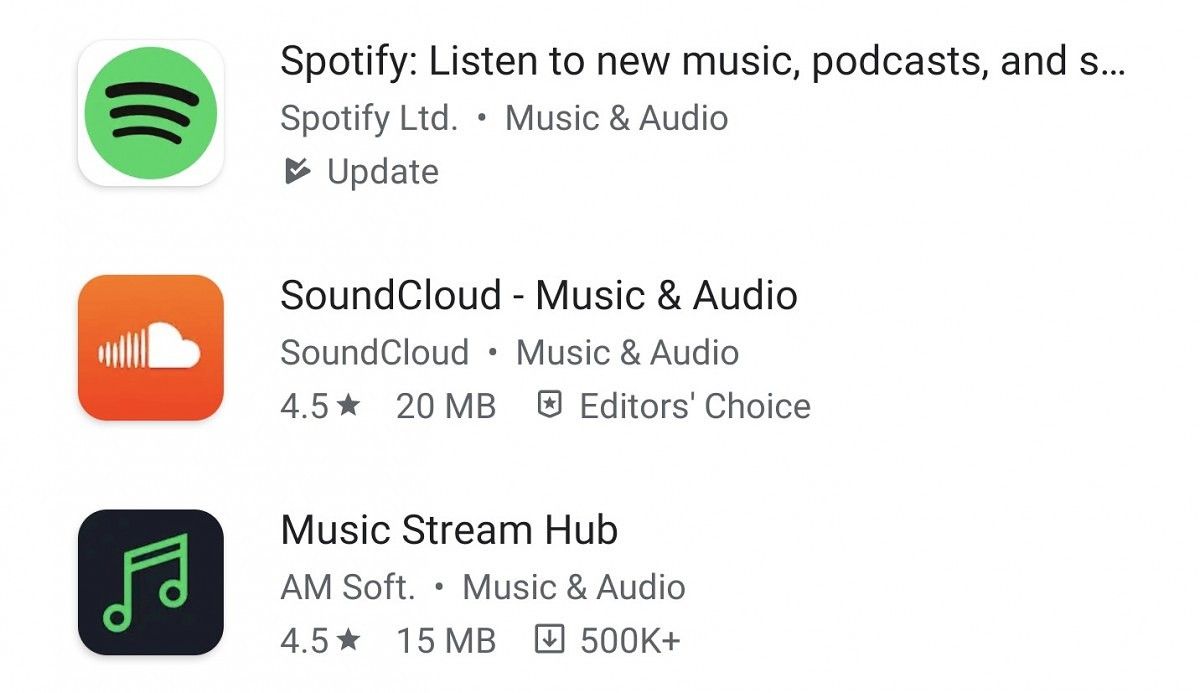
Previously, search results in the Play Store only displayed the name of the developer, rating, and price. Now they are adding app size and download count. The latter is displayed is thousands, millions and billions in some rare cases. Though, some apps boast ‘Editors’ Choice’ title, which replaces the download count in the search results. You can check the screenshot below, courtesy of AndroidPolice. All of these stats are only available for apps that are not present on your device. Those that you already have installed only display ‘Installed’ or ‘Update’ texts, traditionally.

As you can see, the update is nothing ground-shaking, but it manages to improve the overall user experience by saving you a few taps. Unexpectedly, these updates are gradually rolling out on the server-side. There’s nothing you can do to manually trigger it. From the looks of it, Google is rolling out each of these numbers one by one. For example, Play Store search results on my device only display the app rating. Users in Germany have rating plus app size, while those in Lebanon have all three, including the download count. Then again, a geolocation-based server-side rollout is one of Google’s favorite tricks.


Via: AndroidPolice

The post Google Play Store now shows download count and size in app search results appeared first on xda-developers.


from xda-developers https://ift.tt/2UoSFh3
via IFTTT

[Update: Resumed] Google temporarily pauses Chrome and Chrome OS updates to prioritize security

Update (3/26/20 @ 1:20 PM ET): Google is resuming Chrome and Chrome OS releases with an adjusted schedule.

It’s no surprise anymore that the coronavirus (COVID-19) pandemic is having a huge impact on nearly everything. In the technology space alone, we’ve seen major events get canceled, product launches pushed back, and the effects of changing working conditions. The next thing being affected by adjusted work schedules is Chrome and Chrome OS updates.

Chrome Developers shared the news on Twitter. Due to adjusted work schedules, they are pausing upcoming Chrome and Chrome OS releases. Google wants to make sure the releases remain stable, secure, and reliable. They plan on prioritizing updates related to security, which will be coming to Chrome 80.

While this may be disappointing to those who look forward to new features, it’s really for the best. There are a lot of people who work on Chrome who are adjusting to new working conditions. Pausing the releases will give everyone more time to react to issues and make fixes. A lot of people are relying on browsers to work from home right now, making the stability of Chrome and Chrome OS even more important. No timeline was given for the resuming of releases.


Update: Resumed

After pausing Chrome and Chrome OS updates last week, Google is now ready to resume releases with an adjusted schedule. Here is the updated schedule:

  • M83 will be released three weeks earlier than previously planned and will include all M82 work as we canceled the M82 release (all channels).
  • Our Canary, Dev and Beta channels have or will resume this week, with M83 moving to Dev, and M81 continuing in Beta.
  • Our Stable channel will resume release next week with security and critical fixes in M80, followed by the release of M81 the week of April 7, and M83 ~mid-May.
  • We will share a future update on the timing of the M84 branch and releases.

You can stay up to date with the schedule on the release blog and check the schedule page for specific dates for milestone releases.

Source: Google

The post [Update: Resumed] Google temporarily pauses Chrome and Chrome OS updates to prioritize security appeared first on xda-developers.


from xda-developers https://ift.tt/3dbDiji
via IFTTT

Samsung Galaxy Fold receives Android 10 with One UI 2.0

The Samsung Galaxy Fold (review) might not be the perfect folding phone we had all hoped for, and the company has even released an alternate clamshell design with the Galazy Z Flip. Even with the insane pricing, Samsung has allegedly been able to sell a respectable number of Galaxy Fold units. Keeping aside the initial hype, the owners of this bleeding-edge device have been stuck with Android Pie to date, but there is a new ray of hope. Samsung has now started rolling out the long-anticipated One UI 2.0 update on top of Android 10 for the Galaxy Fold.

Samsung Galaxy Fold XDA Forums

According to Samsung’s Android 10 update schedule, the Galaxy Fold is expected to receive the taste of Android 10 in April. As the month of March is almost ending, the arrival of the OTA for this device – albeit only on the global 4G variant (model number SM-F900F) – is certainly a noteworthy event. The version number of the latest firmware is F900FXXU3BTCD, which is currently available in France. Samsung has not incremented the bootloader version (v3), thus it is possible to revert back to Android Pie though manual flashing. Regarding the Android Security Patch Level (SPL), it is bumped to March 2020 from January 2020.

We are unable to get our hands on the complete changelog at the time of writing this article, so it is not possible to tell whether Samsung shipped all the goodness of One UI 2.1 in this update or not. The OTA may take several weeks to reach other regional markets, but those who are interested can manually download the complete firmware package directly from Samsung update server using tools like Frija.

frija_galaxy_fold_android_10

Samsung has not published the kernel source code for this particular build yet. Moreover, the aforementioned firmware is not at all compatible with the 5G Galaxy Fold variant (SM-F907x), so stay away from cross-flashing.

Source: Samfrew

The post Samsung Galaxy Fold receives Android 10 with One UI 2.0 appeared first on xda-developers.


from xda-developers https://ift.tt/2vPEVCk
via IFTTT

GCA, an Android launcher app inspired by Chrome OS design, gets a massive rework in version 2.0

For Android users, there’s an abundance of options when it comes to custom launchers. Almost every noted custom launcher brings a new flavor to the user experience. While a lot of launchers focus on giving you extra features, GCA, a custom launcher inspired by Chrome OS, takes the route of simplicity and minimalism. GCA is a single screen, single widget launcher, designed while keeping low-powered devices in mind. While the first version was developed especially for Android Go devices, the version 2.0 update is aimed at more fluidity and flexibility of usage.

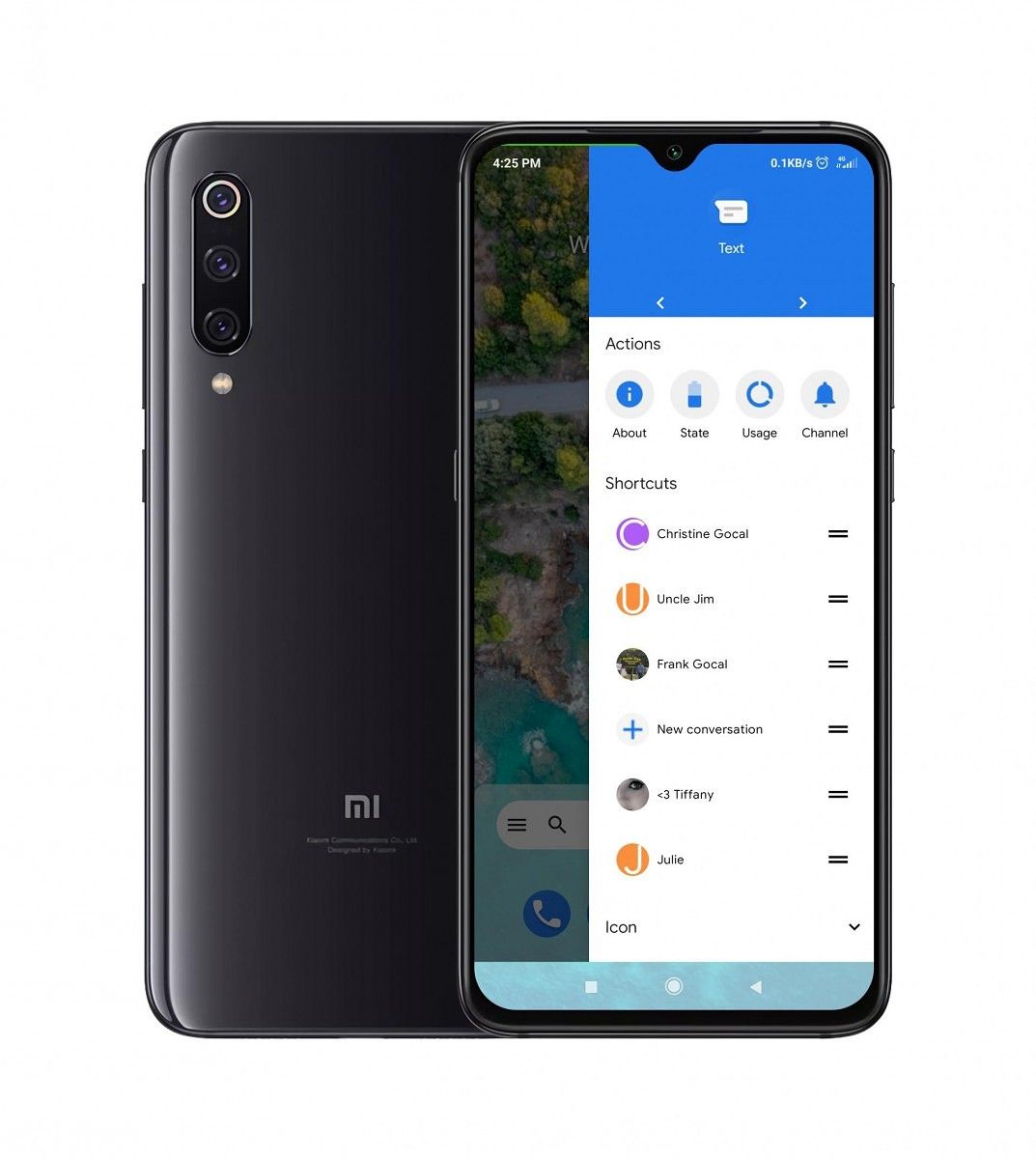
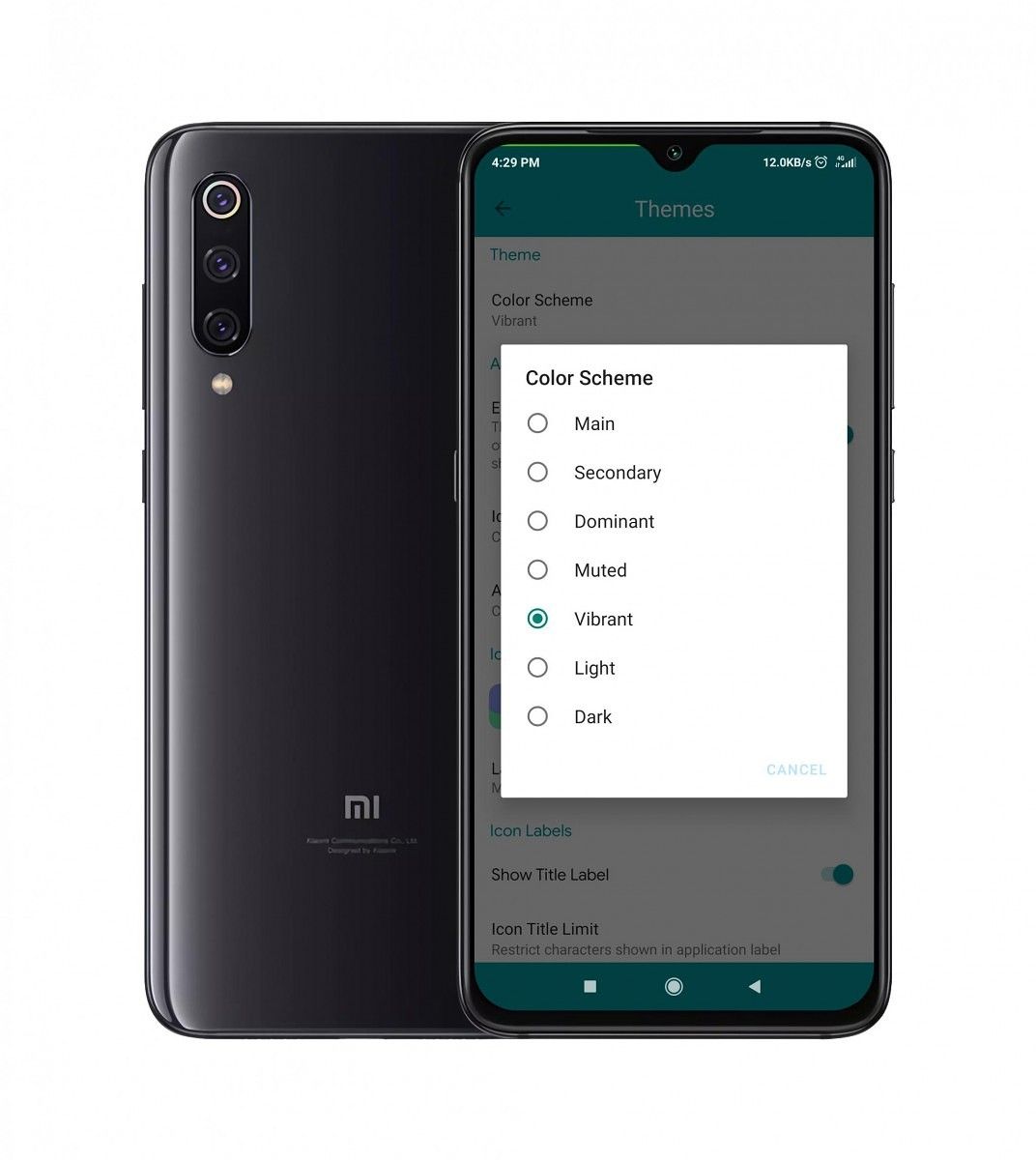
GCA is developed by XDA Senior Member Nx Biotic, who recently released the pre-beta to the v2 of the launcher. The updated version has been written from scratch and differs from the previous one significantly. The new version comes with improvements to the shelf as well as new customization options for the app drawer. The developer has also introduced “Sheets” which slide out of the right side of the screen as an overflow menu and offer quick access to various settings and quick actions.

gca launcher gca launcher gca launcher gca launcher gca launcher

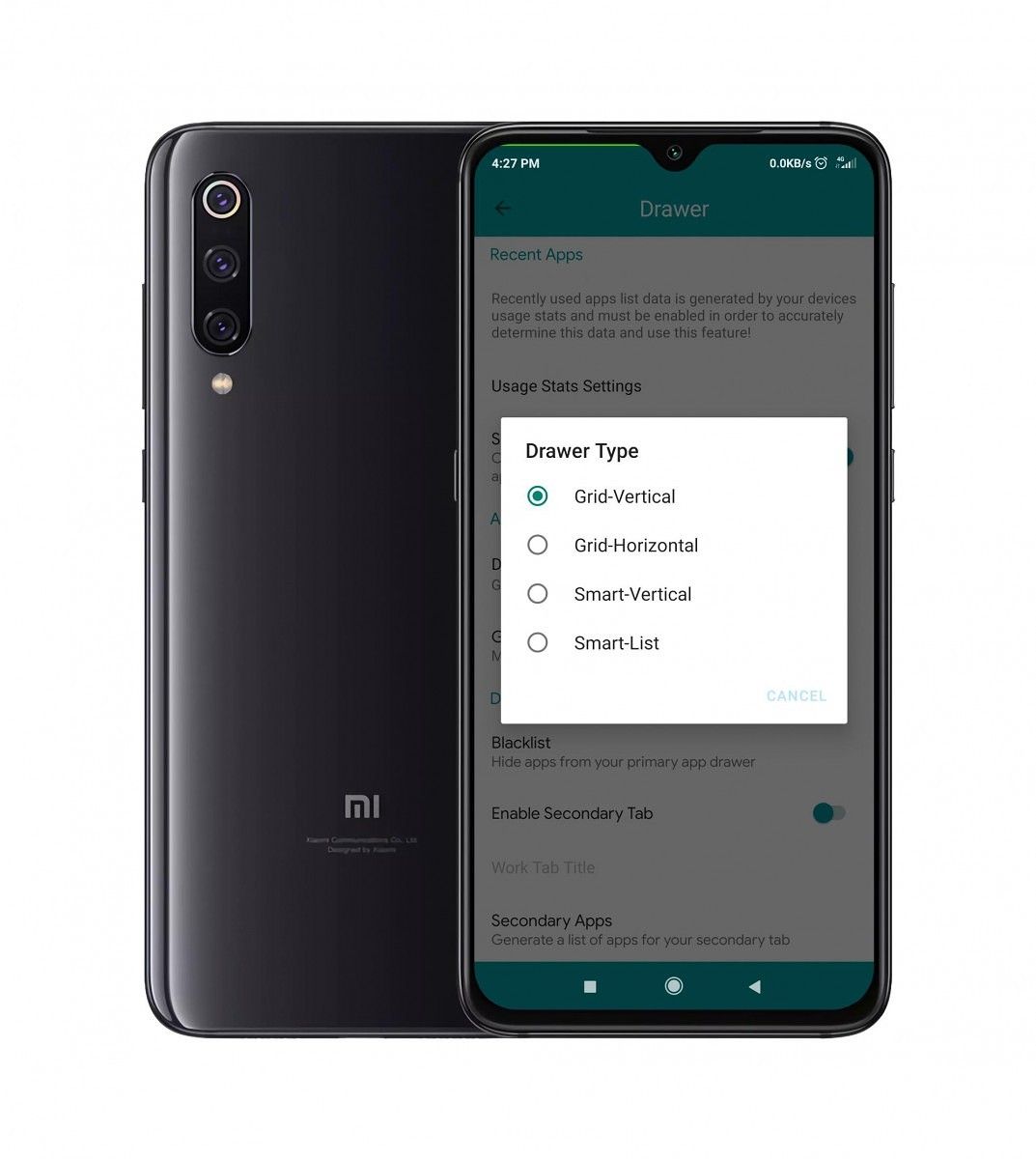
App Actions are also available in overflow menus in GCA Launcher. You can also tap on the “>” arrow to access more options. Additionally, the apps in the drawer can be arranged in both horizontal and vertical orientations. Work and personal apps can also be segmented into two different tabs in the app drawer.

The search bar at the bottom of the home screen is persistent and even visible when the app drawer is open. It can be used to search installed apps, for searching apps on Play Store, and for web search. Additionally, the launcher also supports navigation gestures from Android 10. Meanwhile, the developer is also working on a feature called “Focussed Customization” which will restrict customization to minimize bugs.

A lot of the new features, including Sheets, are currently under development. Since this is a pre-beta stage, be prepared to face some bugs and crashes if you use this as your primary launcher. You may if you’d like to contribute to the development. You can pass on your feedback to the developer on their forum thread. You can also pledge to buy the final version of the launcher to support its development. Meanwhile, if you’d like to try the first version of the GCA launcher, you can use the Google Play Store link below.

GCA Launcher v2 pre-beta thread on XDA Forums

GCA Launcher (Free+, Google Play) →

The post GCA, an Android launcher app inspired by Chrome OS design, gets a massive rework in version 2.0 appeared first on xda-developers.


from xda-developers https://ift.tt/2ydHxel
via IFTTT